
LaSalle Green Hills
Ortigas Avenue, Manila, Philippines
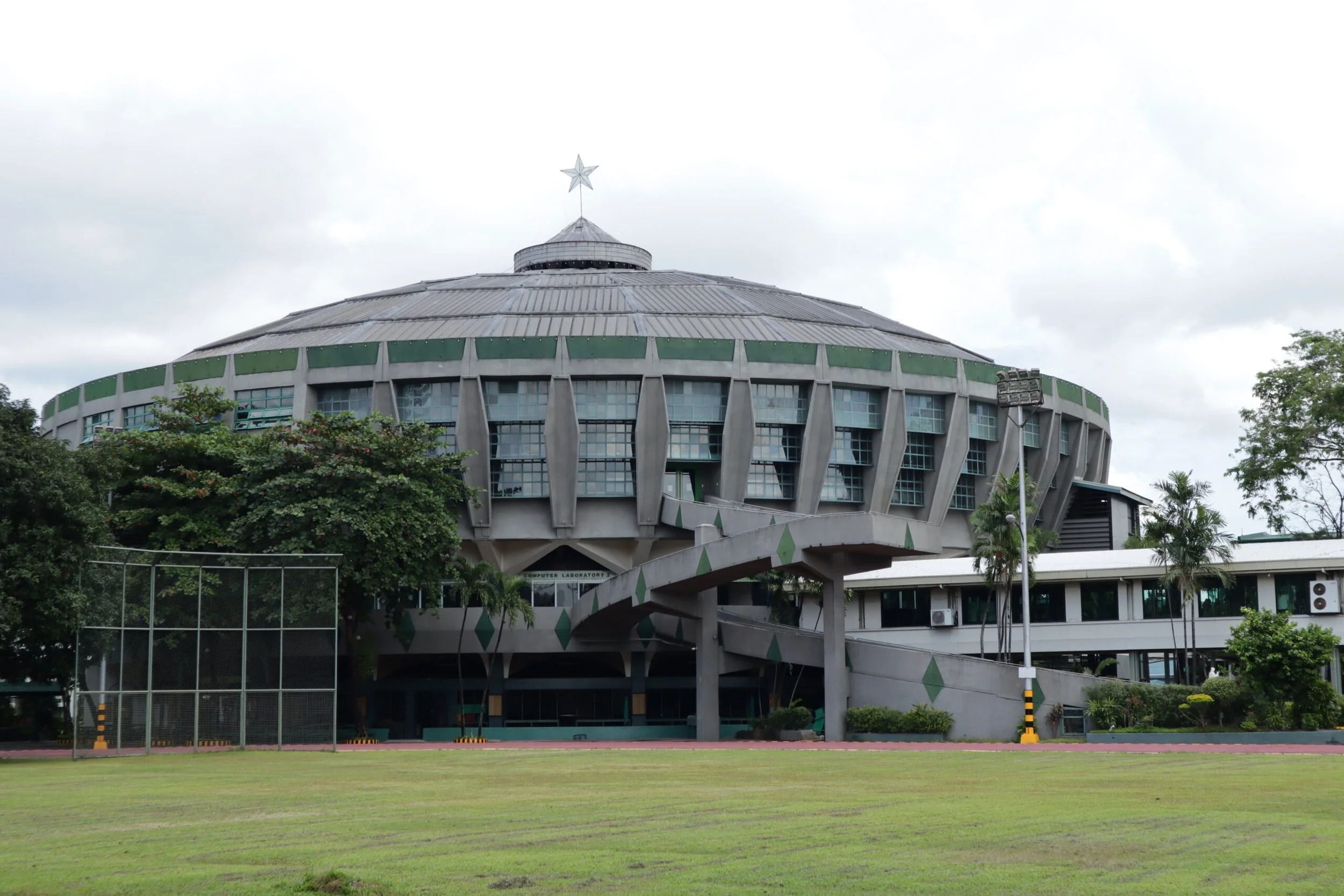
La Salle Green Hills
In the rolling ground east of Manila, across Ortigas Avenue from the fairways of Wack-Wack, stands a school that opened the same year a Morales son was born. La Salle Green Hills was barely older than its pupils when Romulo Tamayo Morales arrived — founded in 1959, the very year of his birth — and for the years of his boyhood in the 1960s, before his father’s medical career carried the family across the Pacific, this campus was the daily shape of his world.
Every family story has its institutions — the parish that baptized them, the town that held them, the school that formed them. For the Morales family of Aklan, brought to Manila by Dr. Romulo G. Morales’s medical practice, that school was La Salle Green Hills. It is where his son grew up Catholic, competitive, and Lasallian, in the company of classmates whose names would later fill the country’s newspapers — before an ocean carried the family into a different life. This is the story of the place.
A school born of overflow
La Salle Green Hills began, as many good things do, as an answer to a problem of abundance. By the early 1950s the De La Salle Brothers’ grade school on Taft Avenue in Manila could not hold all the families who wanted in. Led by Brother H. Gabriel Connon FSC, the Brothers acquired a six-hectare lot on Ortigas Avenue in Mandaluyong — partly to relocate their novitiate from Baguio, partly to give the overflowing Taft enrollment somewhere to go.
In July 1959 the doors opened: two preschool sections and one section each for grades one and two, under the school’s first Brother-Director, Brother Alphonsus Bloemen FSC, who had been teaching at De La Salle in Manila since 1940. The first permanent building rose in 1961, its groundbreaking led by Brother Celba John FSC — the last of the pioneer Brothers who had come to the Philippines in 1912. The high school followed in 1964. The institution grew in the way a tree grows: a section at a time, a building at a time, until the small school of 1959 had become one of the most prestigious Catholic campuses in Metro Manila.
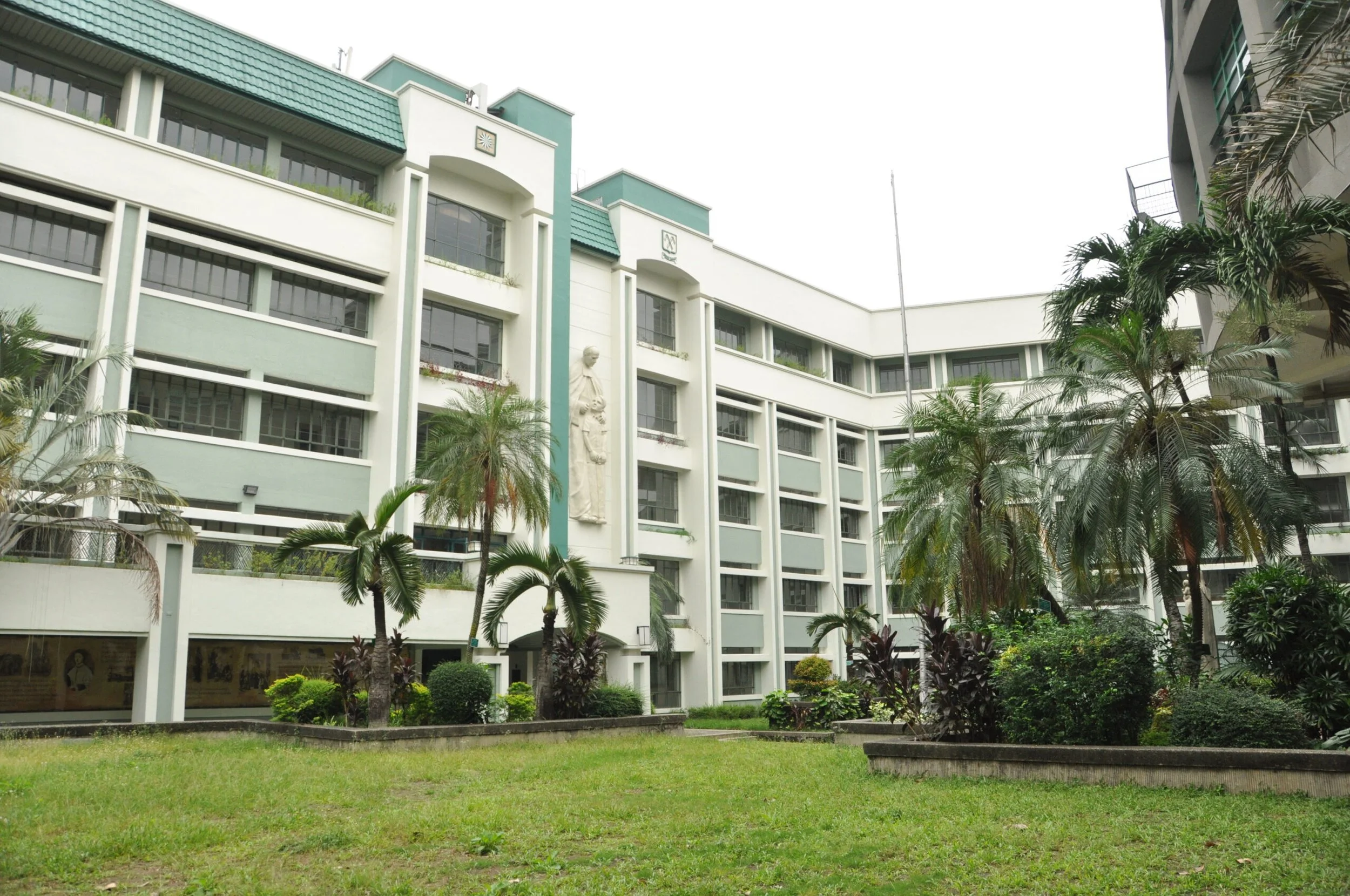
A La Salle boy, 1964–1969
Into this world came Romulo Tamayo Morales. The timing was almost poetic: he was born in November 1959, the school’s founding year, and he entered its grade school in the mid-1960s. For a boy whose roots ran back to the rice fields of Numancia, Aklan — whose grandfather Mamerto had been a provincial notary, whose great-great-grandfather Captain Lucas Gonzales had built a family’s landholdings one hectare at a time — La Salle Green Hills was a different kind of inheritance. His father, Dr. Romulo G. Morales, had carried the family from the provinces into the Manila of the educated Catholic middle class: green-and-white uniforms and the Animo cheer, Brothers in white cassocks, and the discipline of a college-preparatory curriculum.
He was, for those years, an ordinary boy in an extraordinary cohort. Among the Lasallians who passed through the school in that era was a classmate whose name now carries a particular weight: Ferdinand “Bongbong” Marcos Jr., listed among the grade school boys of 1970 and today the President of the Philippines — the first La Salle alumnus to hold the office. The roster of LSGH alumni reads, in fact, like a directory of modern Filipino public life: the senators Francis “Kiko” Pangilinan and Ralph Recto; the broadcaster Mike Enriquez; the musician Gary Valenciano; the tycoon Enrique Razon Jr. A boy sat among the makings of that list, then left it behind for America.
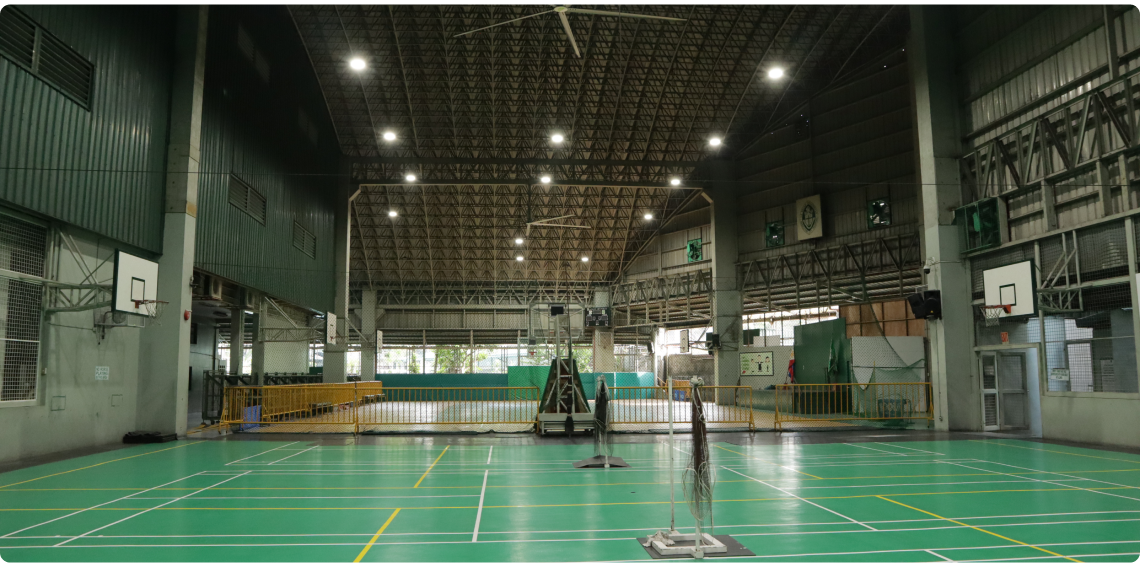
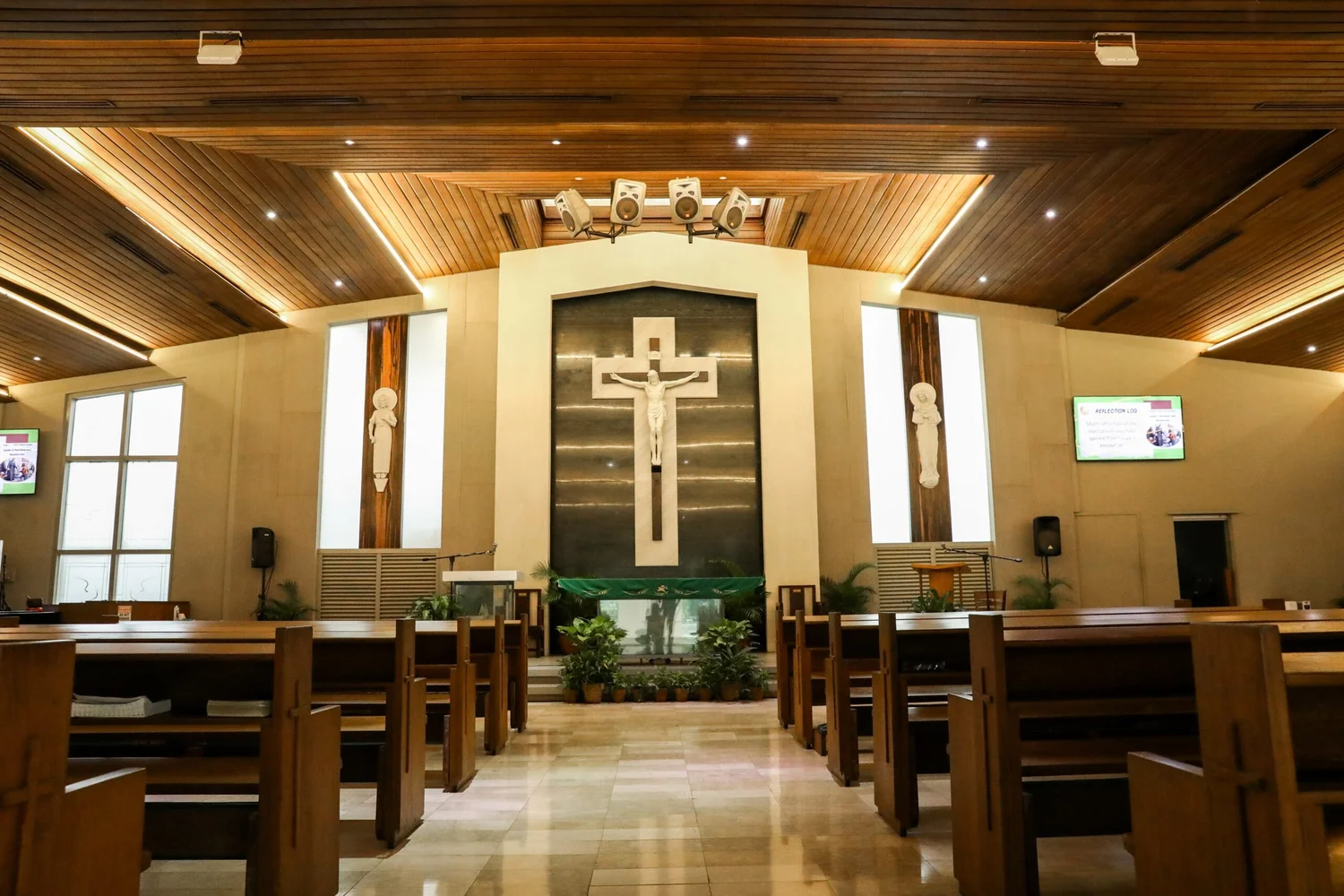
What did it mean to be a La Salle boy? It meant a Catholic formation as much as an academic one — the school was founded, in its own words, for “the formation of Christian gentlemen.” It meant the Latin motto over everything: Ad Deum Per Fidem, Mores, Culturam — to God, through faith, virtue, and culture. It meant the rhythm of class and chapel and the green expanse of the football field, and the great domed gymnasium that the boys could not have imagined would one day count the nation’s votes.
The dome that counted the votes
If one building defines La Salle Green Hills in the public memory, it is the St. Benilde Gym — the vast dome whose construction began in 1967, while Romulo was a pupil there, and finished in 1969, the year his family left. Designed by the architect Gines Rivera and crowned with a star, the dome is among the most recognizable structures in Mandaluyong: basketball courts above, a cafeteria below, and a curving stair sweeping up its flank.
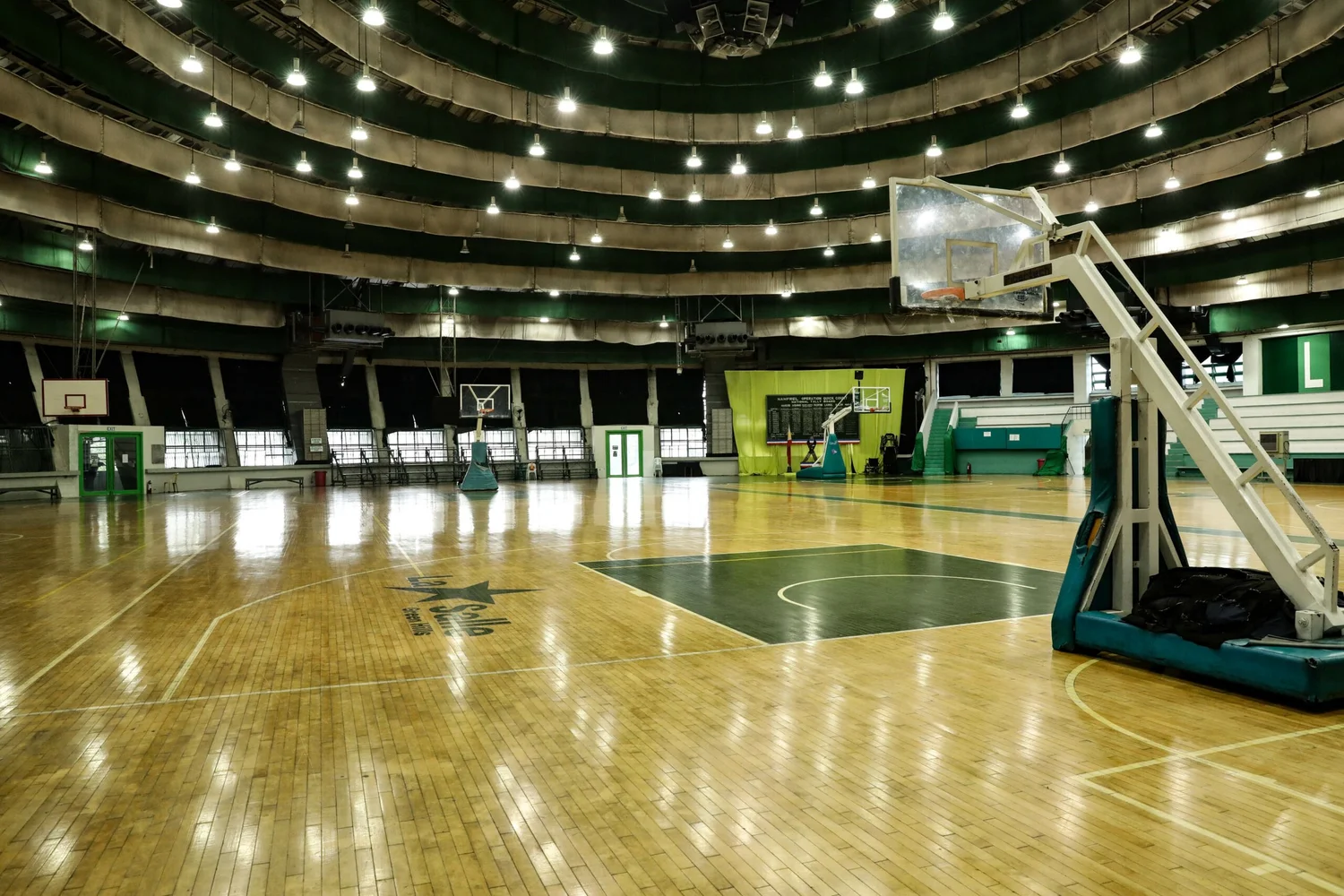
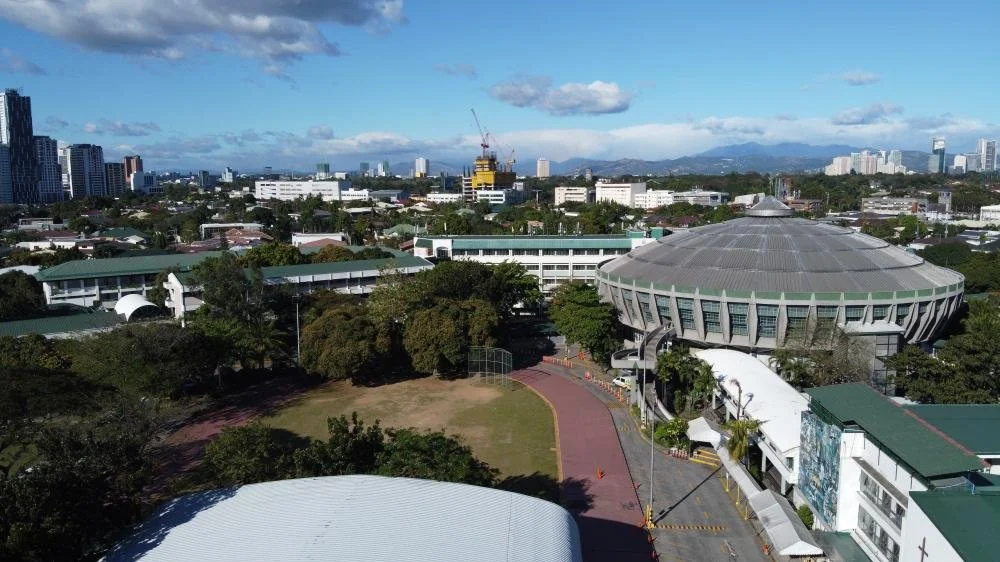
The dome earned a place in Philippine history beyond sport. Since 1986 — the year of the People Power Revolution — it has served as a venue for the National Movement for Free Elections, NAMFREL, and its Operation Quick Count, the citizens’ tally that has helped safeguard the integrity of Philippine elections. The schoolboys’ basketball court became, on election nights, a hall where the nation watched its own democracy being counted. Romulo had long since gone to America by then; but the building he watched rise had grown into something far larger than a gym.
Begun the year he was a pupil, finished the year he left for America — the great dome rose alongside a boy’s last years in the only country he had known.
Departure, 1969
In 1969, Dr. Romulo G. Morales accepted a position at a hospital in Ohio, and the family’s Philippine chapter closed. For his son, it meant leaving La Salle Green Hills mid-formation — trading the green and white of Mandaluyong for an American school, an American winter, a new identity as a Filipino American. The campus on Ortigas Avenue would go on without him: it would open its high school to alumni of the defunct De La Salle High School Manila in 1968, earn the country’s first back-to-back seven-year PAASCU accreditations, admit its first female students in 2020 and 2021, and break ground on a new six-storey academic and performing arts complex in the 2020s. The school kept growing, as it always had.
But for the years of his boyhood in the 1960s, it had been his — the place where an Aklanon doctor’s son became a La Salle boy, in the company of a future president, before an ocean carried him into a different life. The family story this series tells runs from a parish church in Kalibo to a hospital in Ohio; La Salle Green Hills is one of its essential way-stations, the schoolhouse in the middle of the journey.
La Salle Green Hills · At a Glance
- Founded
- July 1959, by the De La Salle Brothers
- Location
- 343 Ortigas Avenue, Mandaluyong, Metro Manila
- Campus
- Six hectares, urban; colors green and white
- Motto
- Ad Deum Per Fidem, Mores, Culturam — To God, through faith, virtue and culture
- Landmark
- St. Benilde Gym (dome), built 1967–1969; NAMFREL election-count venue since 1986
- Morales link
- Romulo Tamayo Morales (b. 1959), pupil c. 1964–1969; his father Dr. Romulo G. Morales moved the family to Ohio in 1969
About the Sources
This article draws on the published history of La Salle Green Hills, the school’s own historical timeline, and contemporary records of its campus and alumni, together with the Morales family’s own account of Romulo Tamayo Morales’s schooling before the family’s 1969 emigration. Campus photographs courtesy of La Salle Green Hills.
Continue the Story
This is one of the places that shaped the Morales-Tamayo family on its way from Aklan to America. Read the episode it belongs to, or return to the full series.
Questions about your own research? Begin a research inquiry.
