
A Segment on Chromosome 8
One Triangulated Group, Two Documented Arms
The Challenge
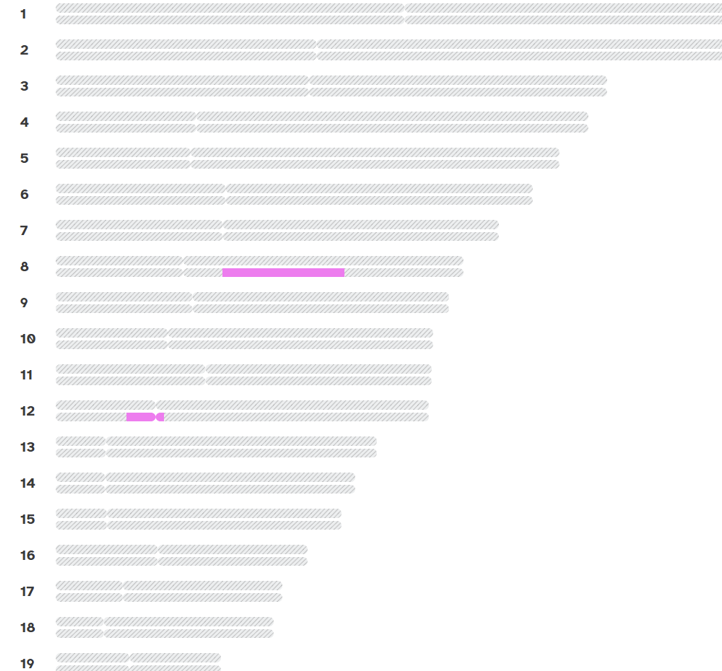
Three DNA match clusters on chromosome 8 kept surfacing the same unanswered question: were these the signal of Native American ancestry, or noise? A composition estimate can color a stretch of chromosome "Indigenous American" without identifying a single ancestor, and within an endogamous community small shared segments accumulate by chance. A hint is a hypothesis, not a finding.
An automated segment-clustering tool grouped a set of matches on chromosome 8 — but a cluster only proposes that people may share a segment. It does not prove they share it with one another, and it cannot say whether the sharing descends from a common ancestor or merely reflects a tangled regional pedigree.
The relevant testers were spread across three services that do not interoperate. The proband and siblings tested at one company; key matches at another; still others uploaded to a shared comparison site. No single platform held all the people needed to test the group, and chromosome-level comparison is unavailable on some of them by design.
Even a real shared segment means little without a paper trail. Proving Indigenous descent — rather than asserting it — required following each side of the segment into records: parish registers in Quebec, federal Indian census rolls and land patents in Minnesota. The question was whether the genetic signal could be anchored to documented people at all.
| Member | cM | Cluster |
|---|---|---|
| D.K. | 40.3 | 31 |
| S.P. | 22.2 | 31 |
| D.W. | 22.1 | 31 |
| L.L.¹ | 21.0 | 31 |
| L.L.² | 20.9 | 31 |
The Breakthrough
GEDmatch AutoSegment, 10 cM minimum overlap: from 3,145 segments it resolved 124 clusters across 503 matches. The chromosome 8 group is Cluster 31. A 10 cM floor excludes the small, by-chance sharing common in endogamous populations — and the group was then confirmed by direct member-to-member comparison, not left at the clustering stage.
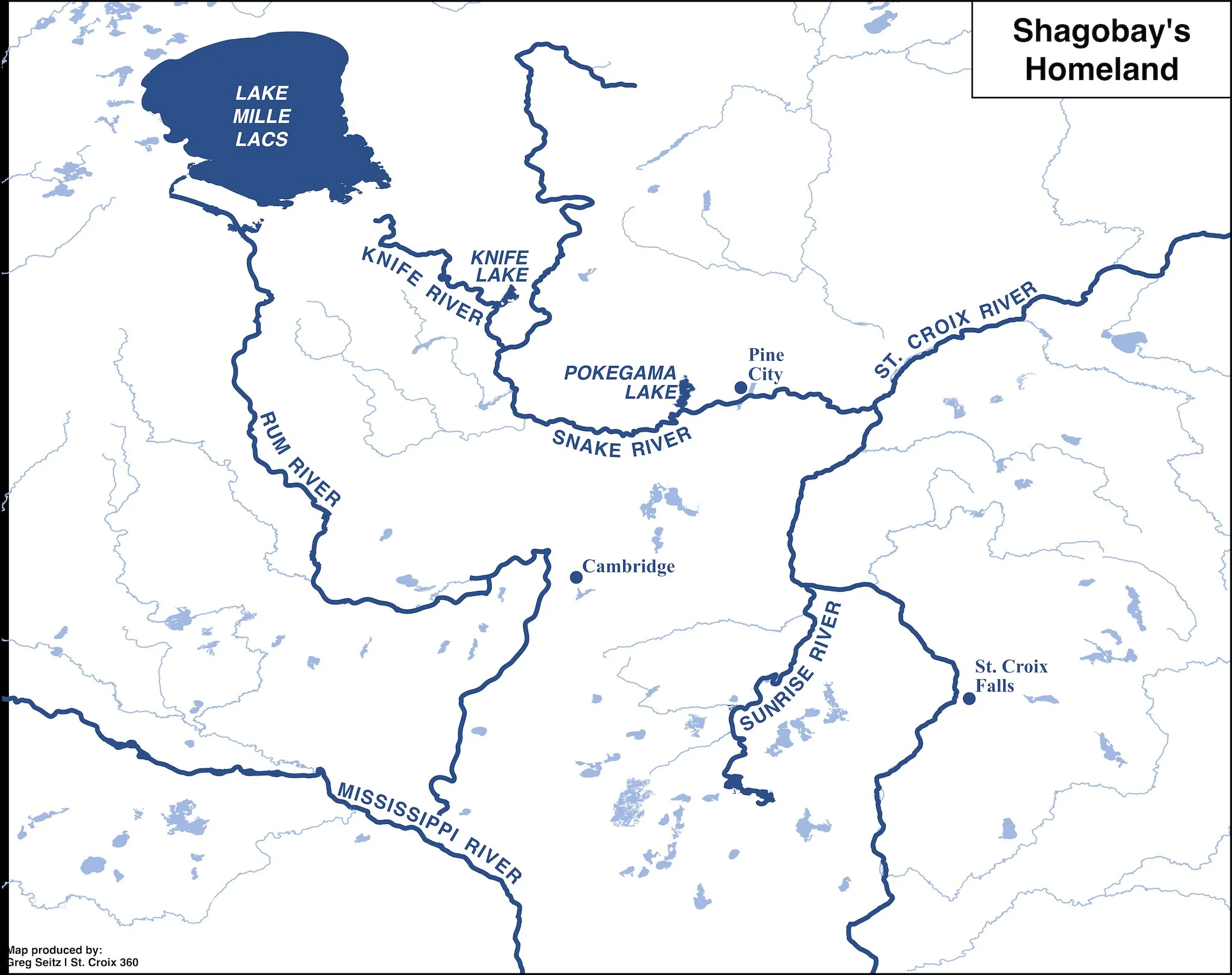
Two arms, reached independently — one in Quebec, one in Minnesota — and each, by its own records, Ojibwe.
The Result
The chromosome 8 segment at roughly 76–103 Mb is a confirmed triangulated group, demonstrated by direct comparisons between members rather than inference from a clustering tool. The segment is paternal — the maternal line is excluded against both arms — and it paints Indigenous American on the proband's DNA. One arm documents to a record-named Saulteaux ancestress in Quebec; the other to a Mille Lacs Band Ojibwe family in Minnesota. Three effective independent lineages carry the segment.
Both arms now share more than a generic "Indigenous American" label: each is documented Ojibwe. The shared deep origin is a common Ojibwe peoplehood, established by records on both sides rather than asserted from a DNA estimate.
The methodological result is as important as the genealogical one: the difference between an inferred cluster and a confirmed triangulated group; the discipline of separating record-stated fact from family-tree hypothesis; a single tribal word in a parish register serving as the pivot from "possibly Indigenous" to "documented Ojibwe"; and the restraint not to convert a proven segment into a named ancestor it cannot yet support.
The proband on the Quebec side descends from Gabriel Guilbault and Marie Josephte Abitakijikokwe, the Saulteaux ancestress named in the 1798 and 1801 records. The Minnesota arm is documented through the family of a present-day research collaborator, whose shared knowledge of her own Mille Lacs family made that side of this work possible. Living individuals, and the recent generations of a living family, are referenced by relationship rather than by name.
This summary presents the findings. The full methodology documents the triangulation legs and side-assignment logic, both documented arms generation by generation, the cross-platform comparison strategy, the evidence tiers, and the open MRCA question in full.
Read the Full Methodology →The Complete Evidence File
The full source inventory behind this case — the Quebec parish records, the Minnesota census rolls and land patents, the DNA triangulation worktable, and the working notes on the open common-ancestor question. Because the chromosome 8 segment touches a living family and living DNA testers, the granular evidence is kept in a password-protected archive for family and collaborator access.
Enter the Research Archive →Family member or research collaborator? Contact Mary for archive access.