
Jeanne Juin: A King’s Daughter From Paris
Jeanne Juin
A King's Daughter from Paris
On August 3, 1672, the ship La Nativité arrived at Québec City carrying its cargo of hopeful emigrants from France. Among them was a young woman of about seventeen named Jeanne Juin—though colonial scribes would record her name in countless variations: Jouan, Jouin, Jahan, Johan, Joain. She had traveled more than three thousand miles from her home in the parish of Saint-Laurent in Paris to begin a new life in a land she had never seen.
Jeanne was one of approximately 770 Filles du Roi—King's Daughters—sent to New France between 1663 and 1673 under royal sponsorship to help populate the struggling French colony. Unlike earlier immigrants who came as indentured servants or with their families, the Filles du Roi received dowries from the Crown, passage paid by the King, and the promise of marriage to the men who desperately needed wives to build farms and families in the Canadian wilderness. Jeanne could not sign her name—a common situation among women of her social class—but she carried something more valuable than literacy: courage, resilience, and the willingness to begin again.
Within eight months of her arrival, Jeanne would be married to a Norman cobbler named Bernard Dumouchel dit Laroche. Together they would raise six children who survived to adulthood, build a life across multiple seigneuries from Champlain to Longueuil, and leave behind a legacy of descendants that today numbers in the hundreds of thousands.
A Note on Descendant Numbers: According to the Genealogy of French in North America database, Jeanne Juin and Bernard Dumouchel have between 420,000 and 840,000 descendants in Québec today, traced through 12 generations and 1,212 documented marriages. The database records their family through 8 generations by men (35 marriages, last in 1953) and 6 generations by women (62 marriages, last in 1825).
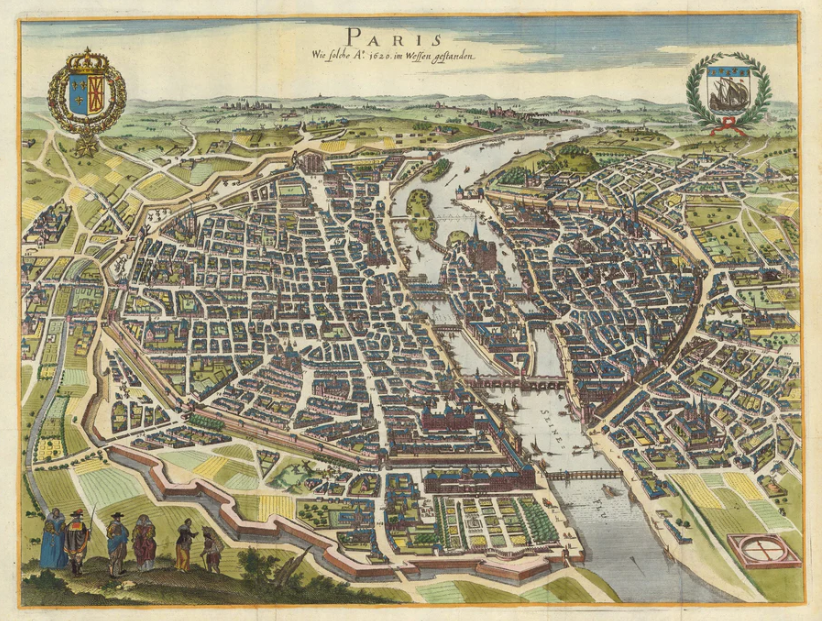
Paris: A City of Contrasts
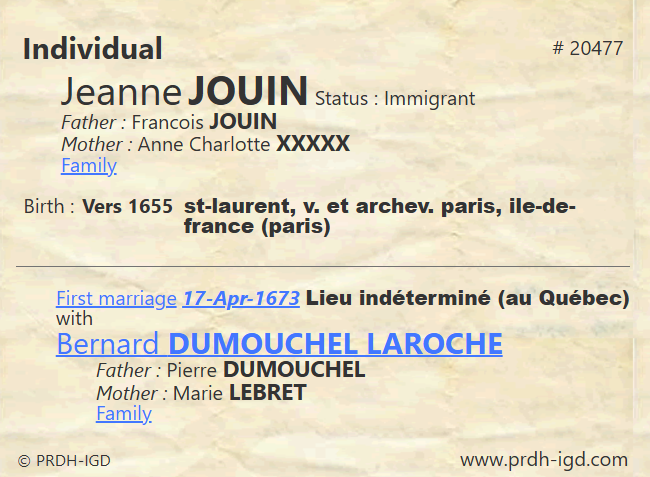
Jeanne Juin was born around 1655 in the parish of Saint-Laurent in Paris, according to genealogical reconstructions based on her marriage contract and the 1681 census, which recorded her age as 26. Her parents were François Juin (also spelled Jouin or Jouan) and Anne Charlotte, whose surname remains unknown in the historical record—a common situation for women of modest social standing in 17th-century France. (Note: The genealogist Tanguay incorrectly listed her parents as Pierre and Marie-Jeanne Beaujean of Champlain—this has been corrected by later researchers.)
The parish of Saint-Laurent was located in the northern part of Paris, outside the old city walls. In Jeanne's childhood, Paris was the largest city in Europe, with a population approaching half a million people. It was a city of stark contrasts—magnificent churches and palaces alongside crowded tenements, wealthy merchants and desperate poor, intellectual ferment and devastating plagues.
The year of Jeanne's birth, 1655, fell during the minority of Louis XIV, a period of civil unrest known as the Fronde. By the time she reached adulthood, the Sun King had consolidated his power and begun the ambitious projects—Versailles, colonial expansion, military conquest—that would define his reign. For young women of modest means like Jeanne, the King's colonial ambitions offered an unexpected opportunity: a chance to start fresh in New France.
The Filles du Roi Program
The Filles du Roi program was born of demographic necessity. By the early 1660s, New France faced a crisis: the colony had far more men than women, making it impossible to establish the stable farm families essential for colonial growth. In 1666, the census recorded only 719 marriageable women compared to 2,034 bachelors—a ratio that threatened the colony's survival.
King Louis XIV and his minister Jean-Baptiste Colbert responded by sponsoring the transport of marriageable young women to New France. Between 1663 and 1673, approximately 770 women made the voyage. Most were recruited from Paris, including many from the Salpêtrière hospital, along with women from Normandy, the western provinces, and other regions. Each Fille du Roi received a royal dowry of 50 livres (sometimes more for those of noble status or with useful skills), passage across the Atlantic, and basic provisions.
Jeanne arrived on August 3, 1672 aboard La Nativité, during the final years of the program. By this point, the system was well established: upon arrival, the women were lodged with religious communities or established families until suitable marriages could be arranged—typically within weeks of their landing.
Marriage to Bernard Dumouchel dit Laroche
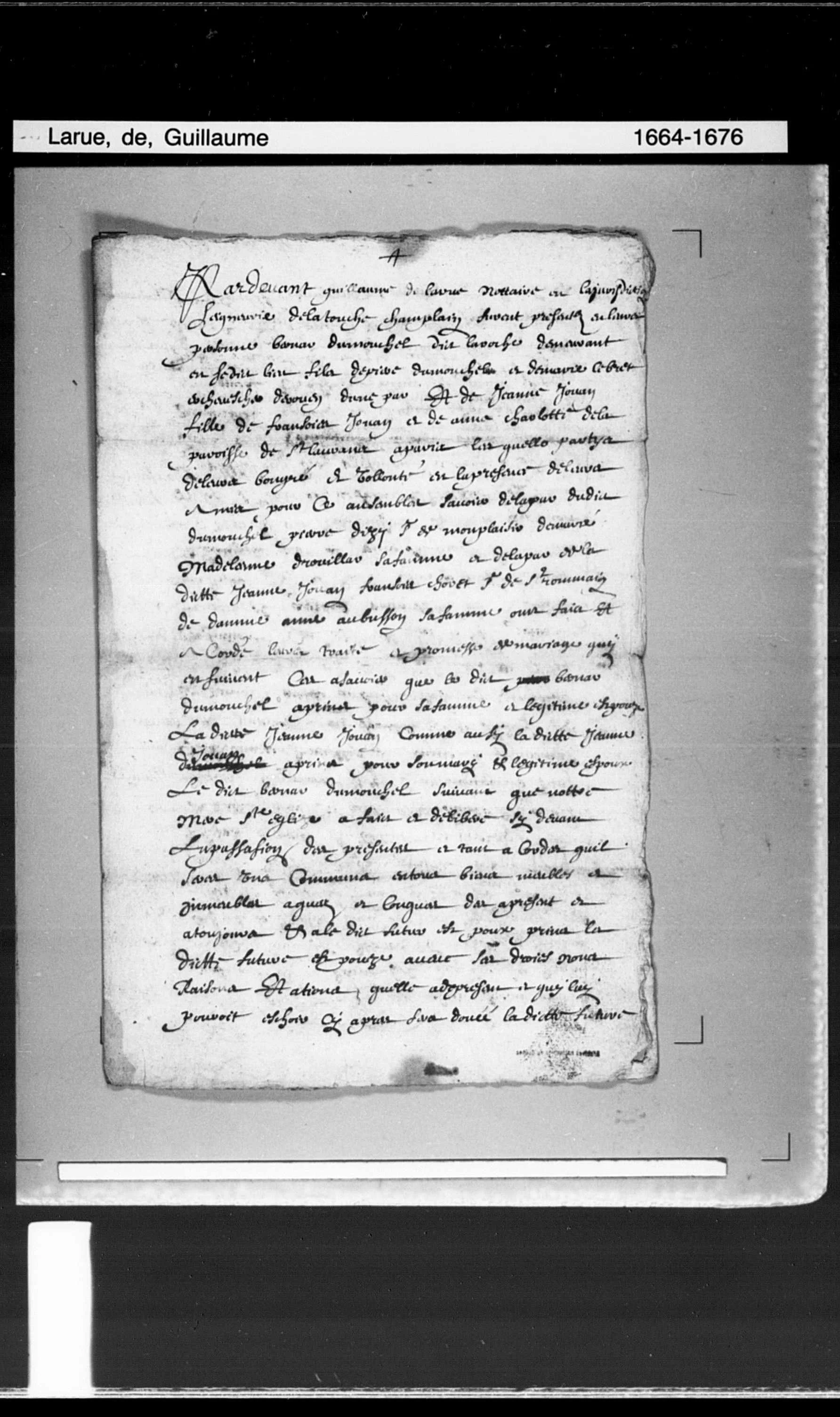
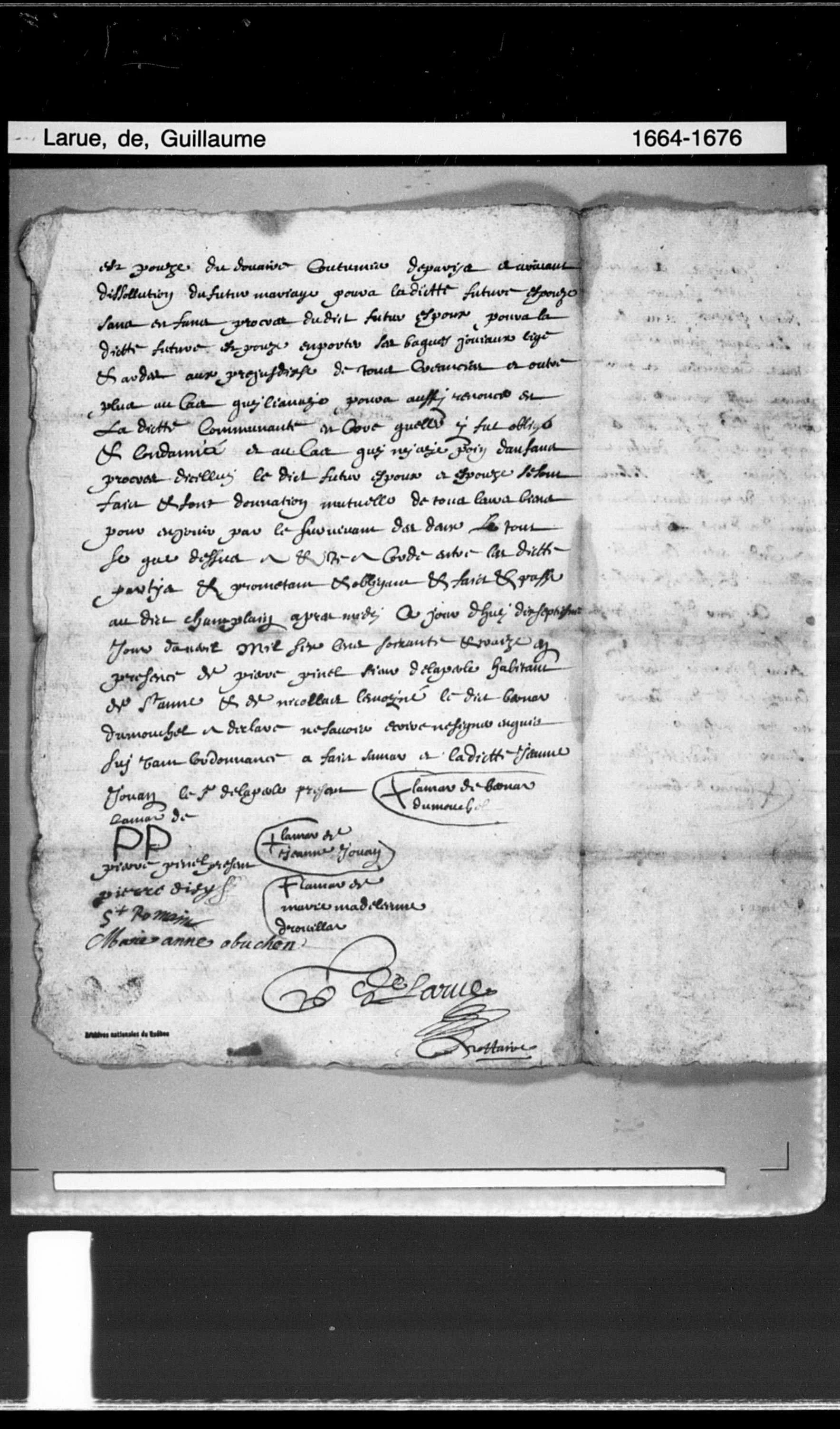
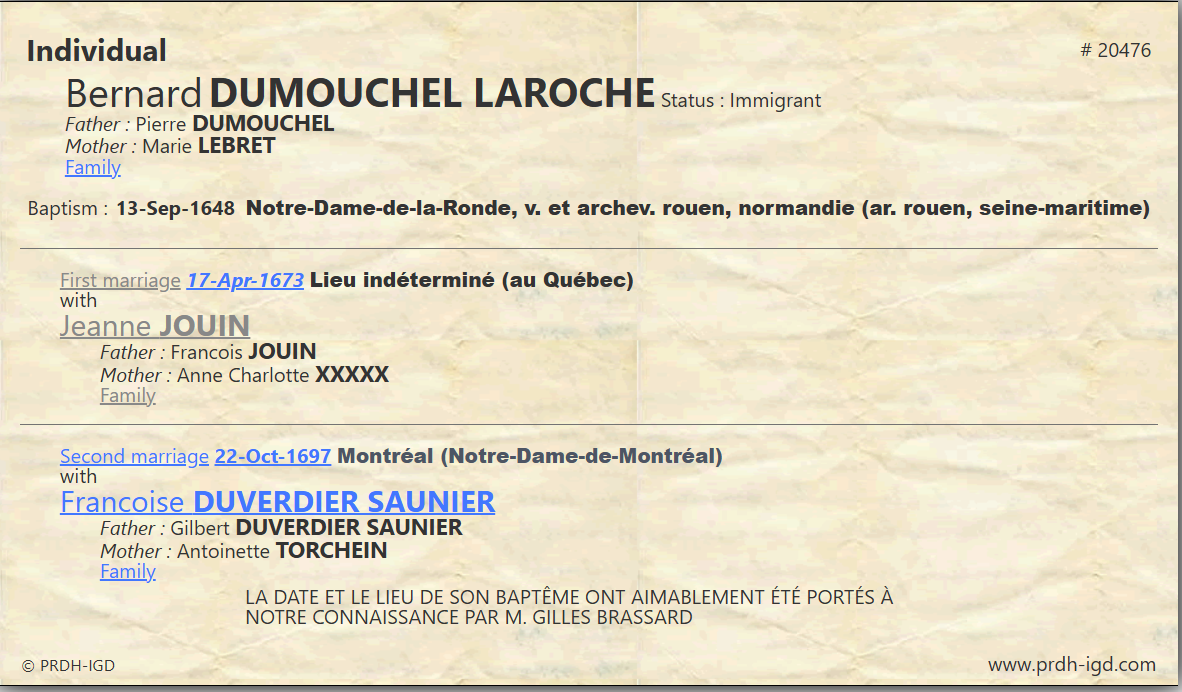
On April 17, 1673—just eight months after her arrival in New France—Jeanne Juin entered into a marriage contract with Bernard Dumouchel dit Laroche, a master cobbler (cordonnier) from Normandy. The contract was drawn up by notary Guillaume de Larue in the seigneurie of La Tousche-Champlain, an area near Trois-Rivières. The actual marriage record has been lost, but the notarial contract survives.
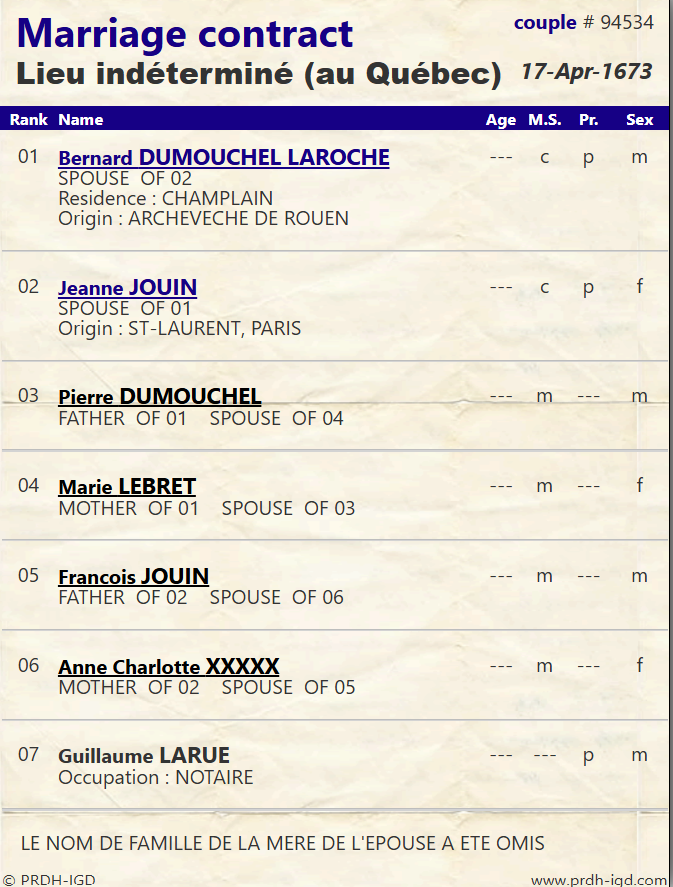
Bernard had been baptized on September 13, 1648, at Notre-Dame-de-la-Ronde in Rouen, the capital of Normandy. He was the son of Pierre Dumouchel and Marie Lebret. Bernard came from a large family—research in the Fichier Origine database has identified nine siblings baptized in Rouen parishes: Pierre (1645) and Nicolas (1646) at Notre-Dame-de-la-Ronde; and Geneviève (1650), Nicolas (1652), Louis (1654), Marie (1656), Thomas (1658), Jean (1659), and Pierre (1660) at Saint-Jean. His sister Magdeleine married Louis Duquesne in Rouen in 1669.
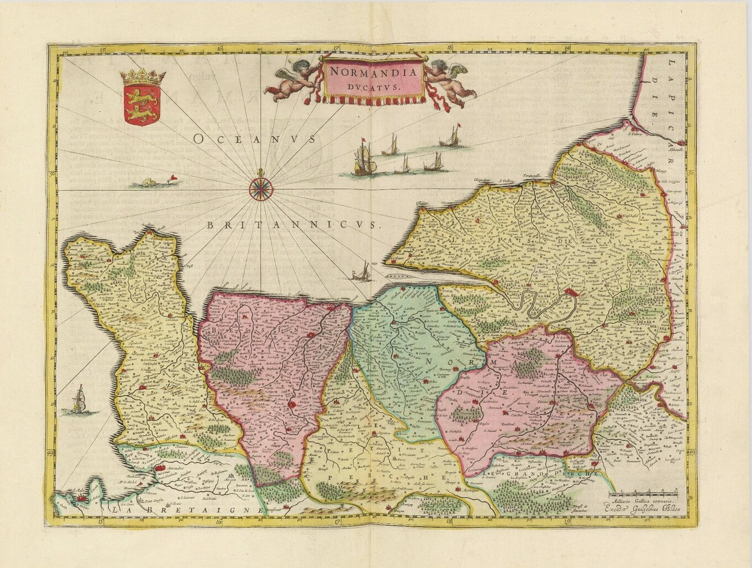

The marriage contract—a standard legal document of the period—reveals important details about both parties. Neither Bernard nor Jeanne could sign their names, indicating that they were illiterate, which was common among their social class. The contract lists witnesses including Pierre Yinet, habitants of St. Anne, Nicolas Laureux, and others, establishing Bernard's integration into the local community.
A Note on Bernard's Earlier Marriage Contract
Interestingly, Bernard Dumouchel had previously entered into a marriage contract on November 22, 1672, with another Fille du Roi named Marguerite Levaigneur. However, this contract was annulled before any marriage took place—a not uncommon occurrence in New France, where couples sometimes reconsidered after the initial agreement. By April 1673, Bernard had found a new match in Jeanne Juin.
Building a Life in New France
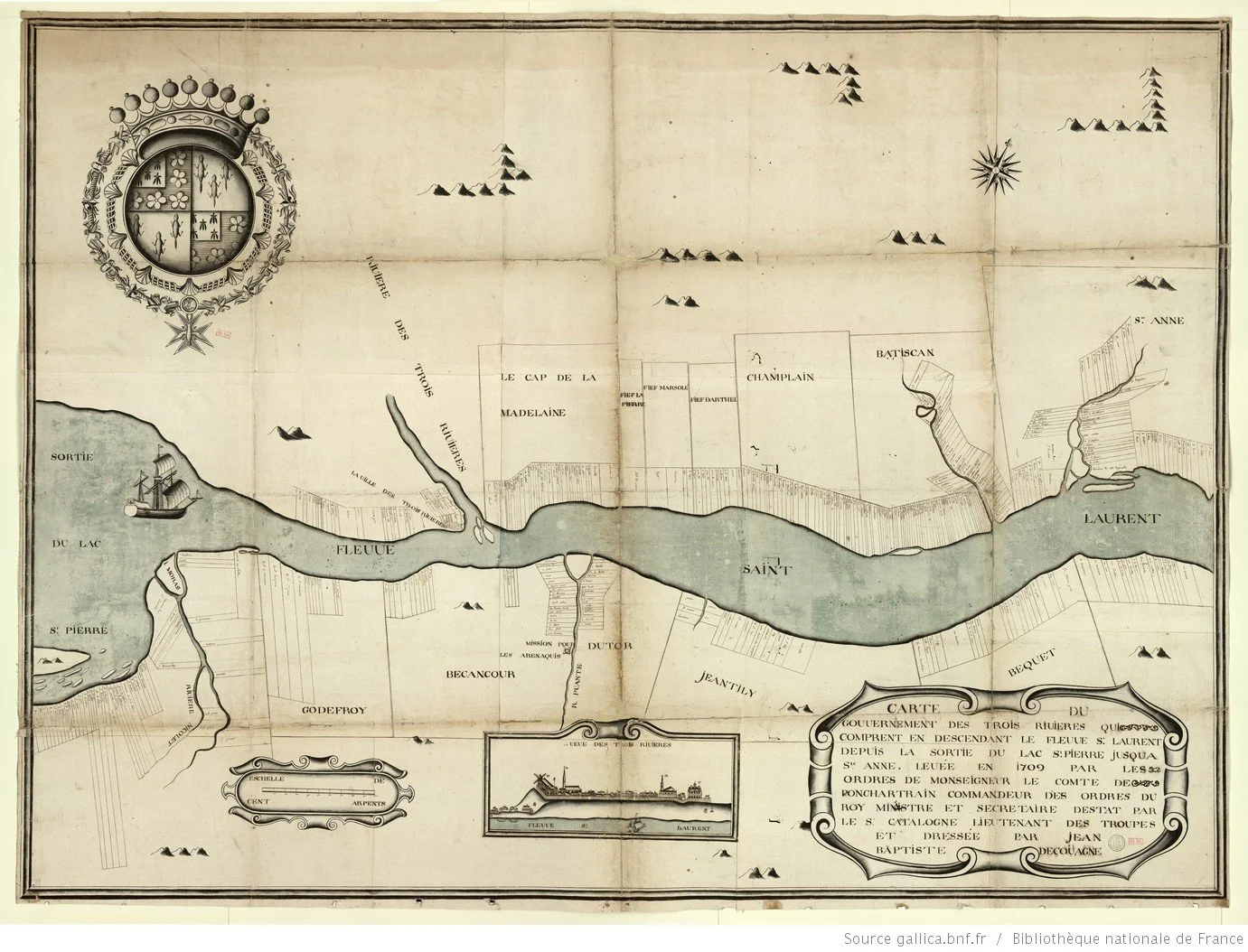
Bernard and Jeanne established themselves in the Prairies Marsolet—part of the Fief of Marsolet—from at least May 1, 1676, according to a land purchase recorded before notary Jean Cusson. They had previously lived at l'Arbre-à-la-Croix in the same region. Both locations lay between Champlain and Cap-de-la-Madeleine, in the heart of the Trois-Rivières government.
The 1681 census captures a snapshot of their household in the Prairies Marsolet: "Bernard Dumouchel (dit Laroche), cordonnier, 30; Jeanne Jouin (Juin), sa femme, 26; enfants: Jeanne 8, Marie 4, Françoise 1; 5 arpents en valeur." Bernard is identified as a shoemaker (cordonnier), and the family had cleared 5 arpents of land—a modest but respectable holding for a young family.
Champlain & Trois-Rivières (1673-1686)
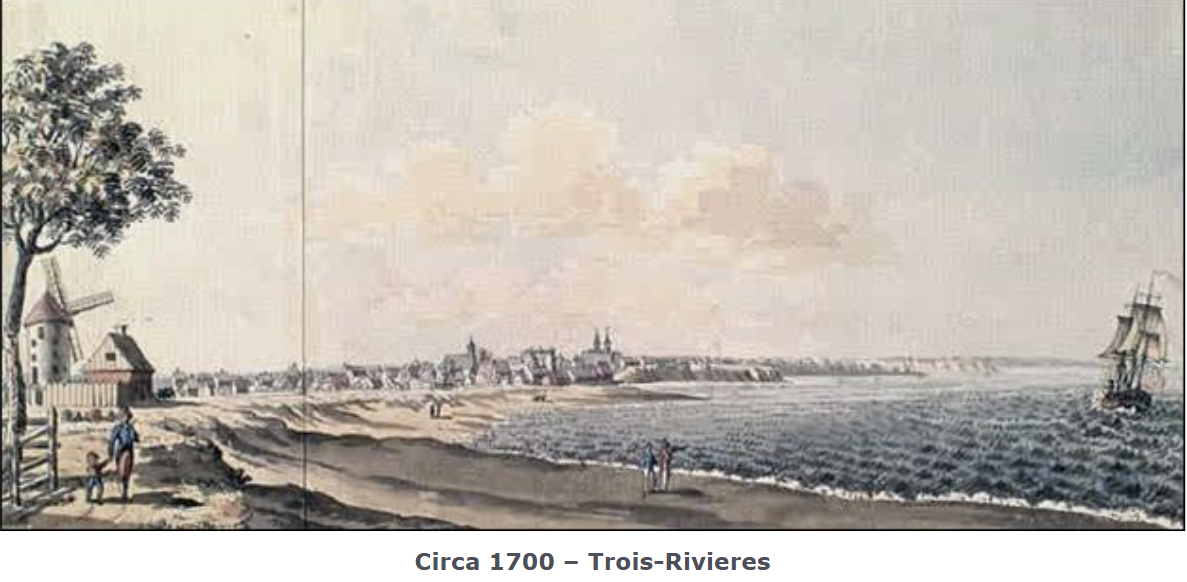
The family's first decade was marked by building and moving. In 1683, Bernard purchased a house in Trois-Rivières from Nicolas Petit dit la Prée. In November 1684, a judge issued an order forbidding someone from demolishing Bernard's house—suggesting a property dispute. He sold his land in Prairies Marsolet in 1685 (later annulled in 1686). The notarial records before Séverin Ameau document these transactions.
Montréal & Longueuil (1687-1697)
By 1687, Bernard took a lease in Montréal, followed in 1688 by a lease from M. de Longueuil. In 1689, Charles LeMoyne granted him a concession of sixty arpents along the great river in Longueuil. He sold this land to Jean Cadieu in 1693. From 1692, he took leases in Ville-Marie (Montréal), residing there until his death.
The Children of Bernard and Jeanne
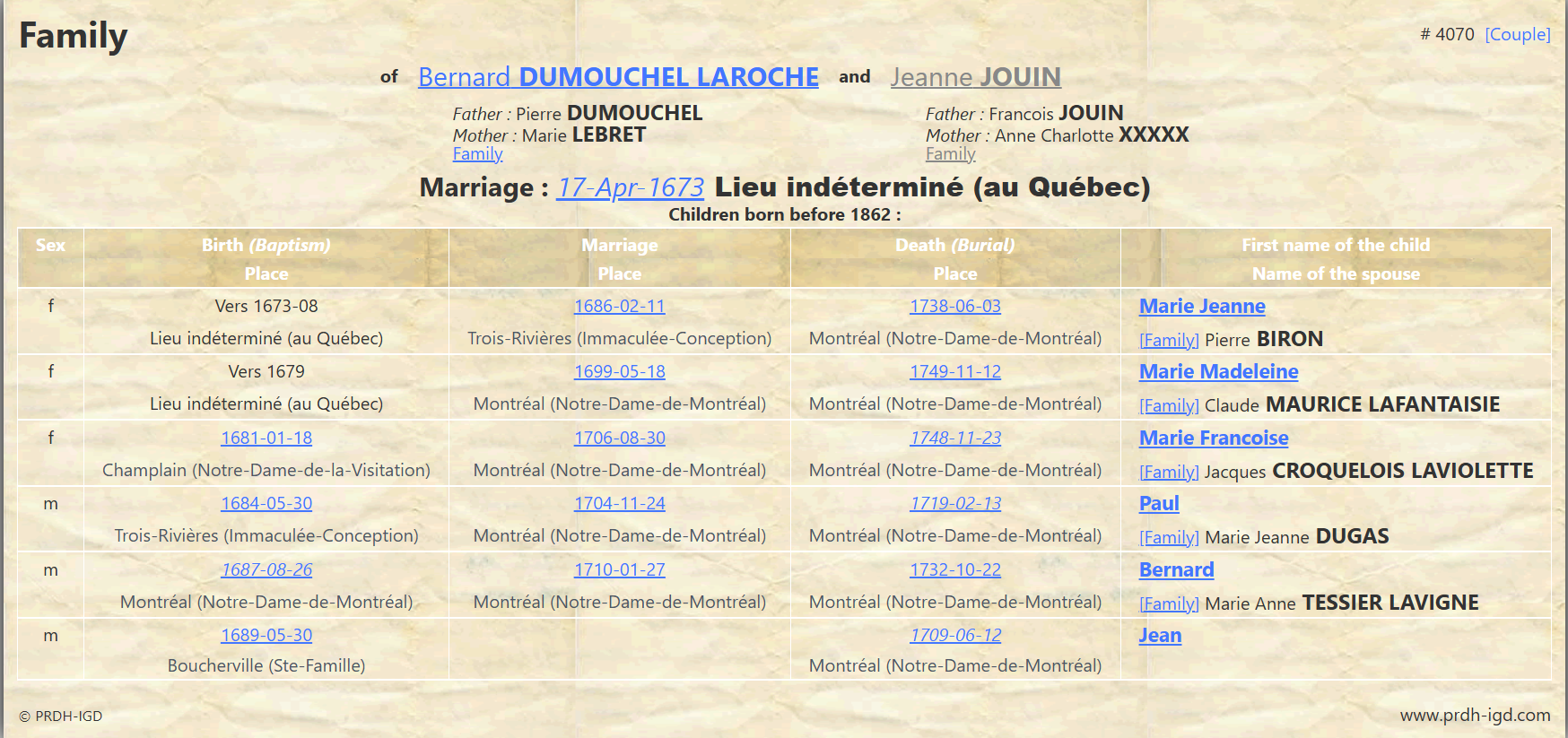
Bernard Dumouchel and Jeanne Juin had six children who survived to adulthood and married, establishing family lines that continue to this day. The children's baptismal records trace the family's movements across the colony—from Champlain to Trois-Rivières to Montréal to Boucherville.
| Child | Birth/Baptism | Marriage | Spouse |
|---|---|---|---|
| Marie Jeanne | c. 1673 (age 8 in 1681 census) | 11 Feb 1686, Trois-Rivières @ age ~12 | Pierre Biron |
| Marie Madeleine | c. 1677, Prairies Marsolet (age 4 in 1681 as "Marie") | 18 May 1699, Montréal | Claude Maurice dit Lafantaisie |
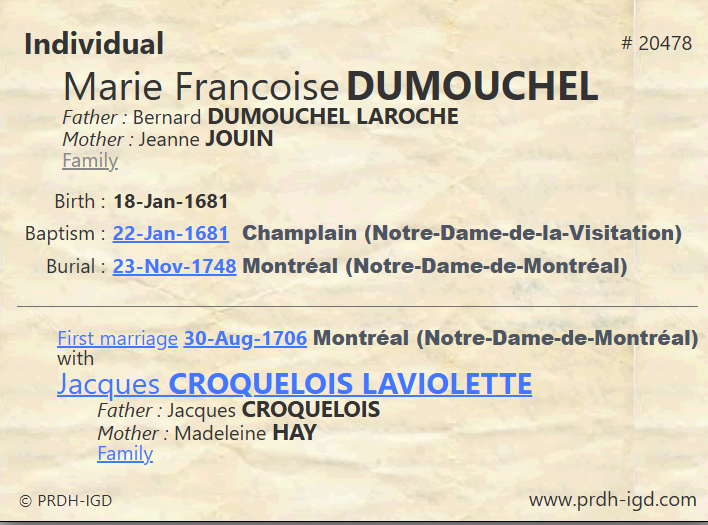
| Marie Françoise * | 18 Jan 1681, Prairies Marsolet; bapt. 22 Jan, Champlain | 30 Aug 1706, Montréal | Jacques Croquelois dit Laviolette |
| Paul | 30 May 1684, Trois-Rivières | 24 Nov 1704, Montréal; rem. 18 Nov 1709 | Marie Dugast; Marie Louise Tessier |
| Bernard | 26 Aug 1687, Montréal (Notre-Dame) | 27 Jan 1710, Montréal | Marie Anne Tessier Lavigne |
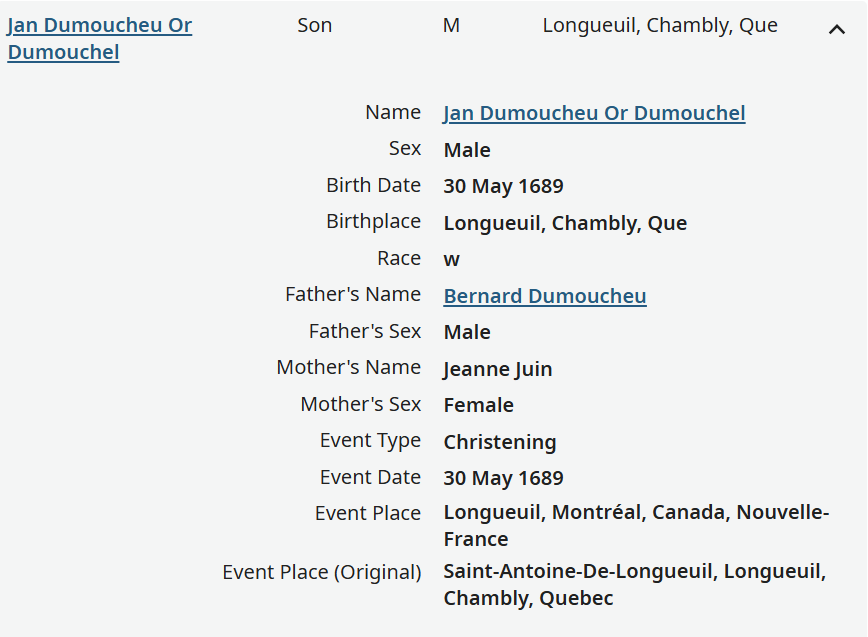
| Jean | 30 May 1689, Longueuil (rec. Boucherville) | — | Died 12 June 1709, Montréal, age ~20 |
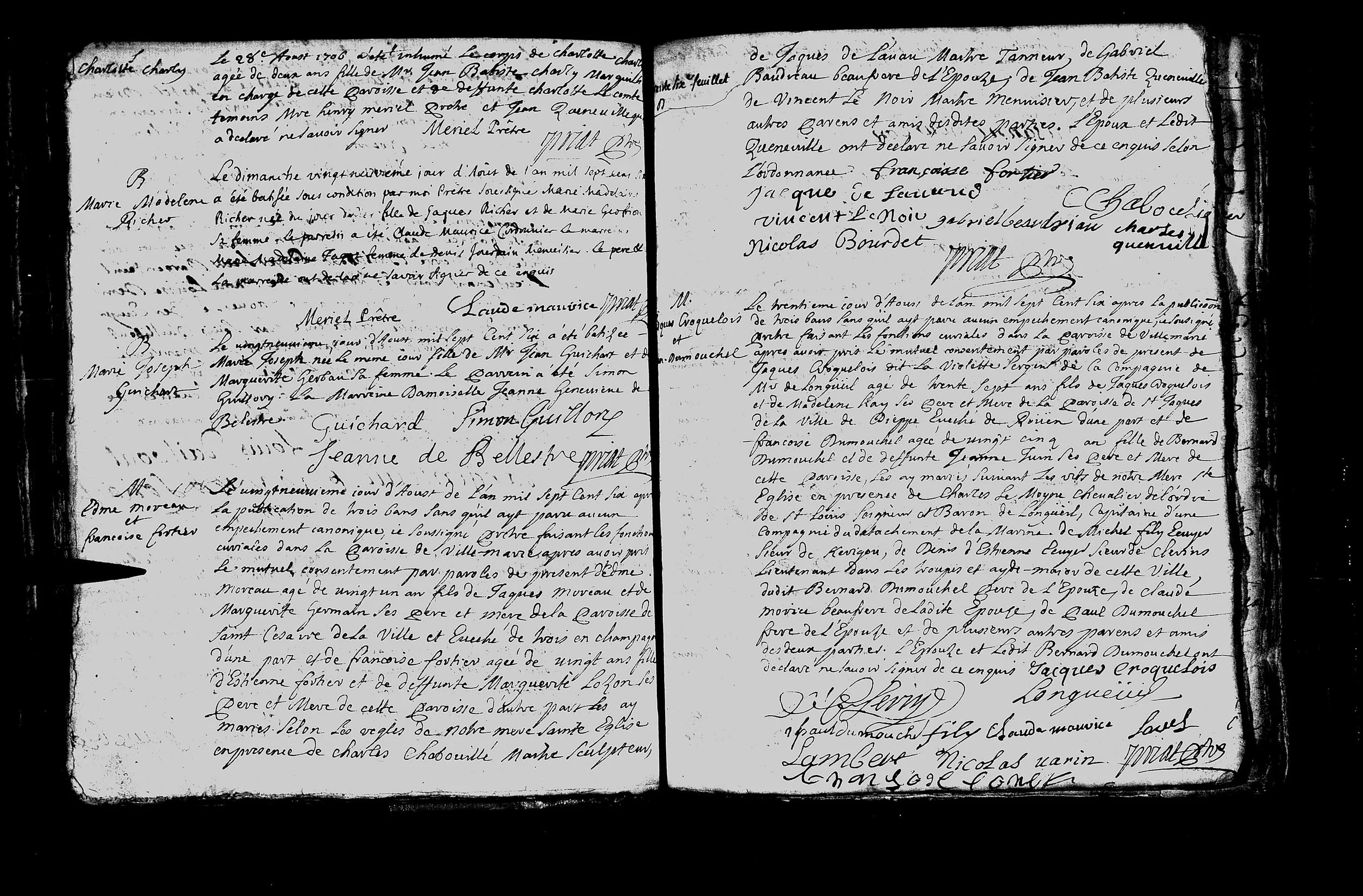
* Marie Françoise Dumouchel is our direct ancestral line. She married Jacques Croquelois dit Laviolette, a 37-year-old sergeant of the Compagnie de Longueuil, on 30 August 1706 at Notre-Dame de Montréal.
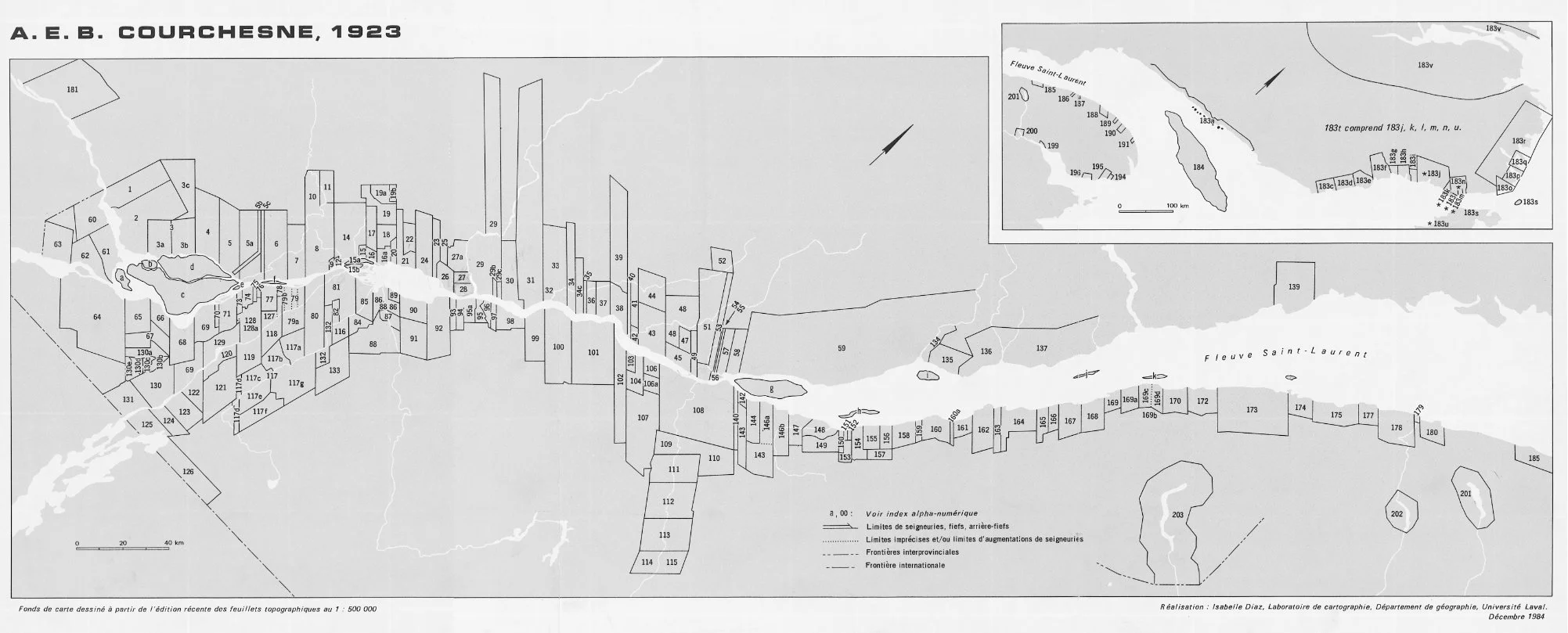
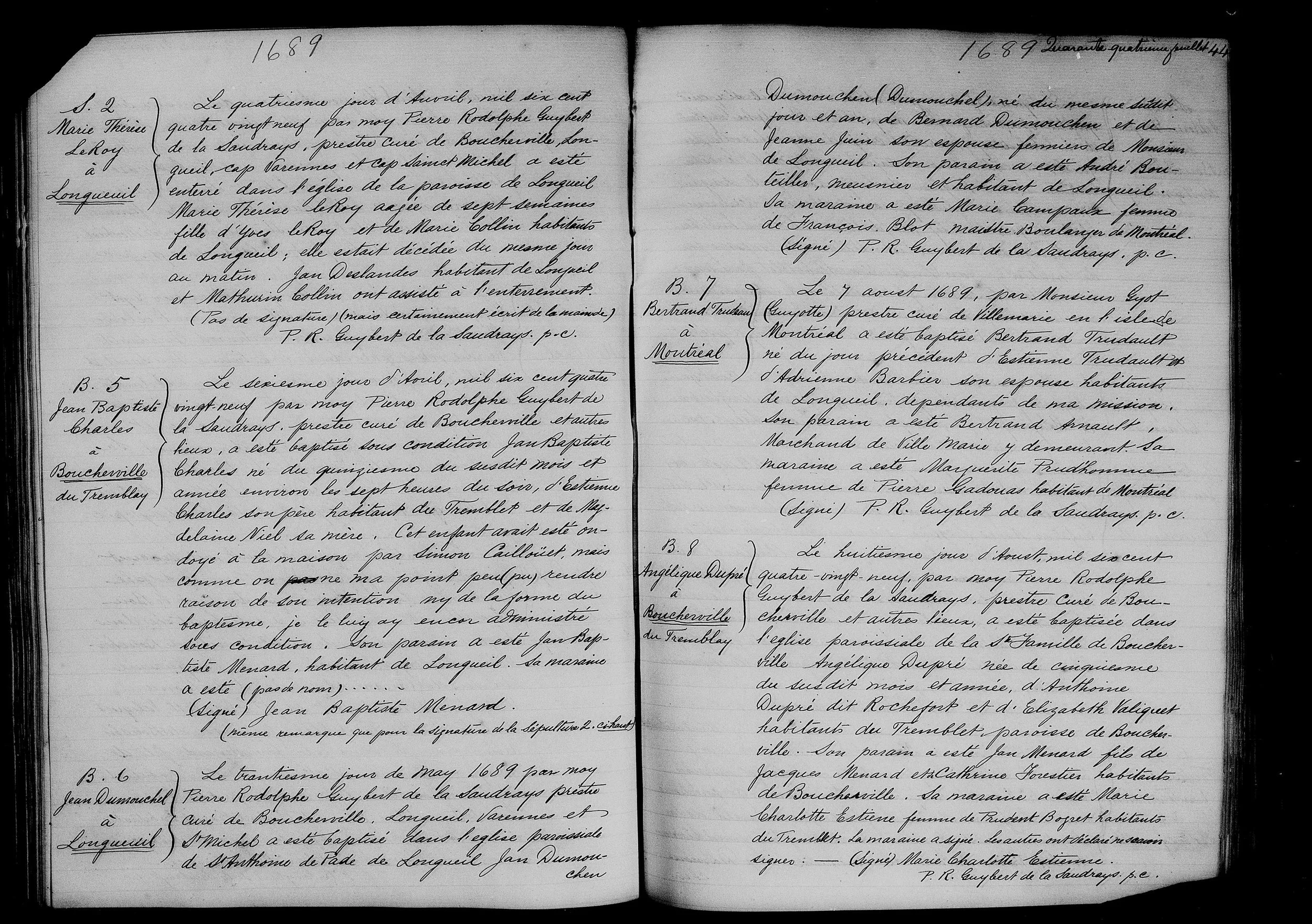
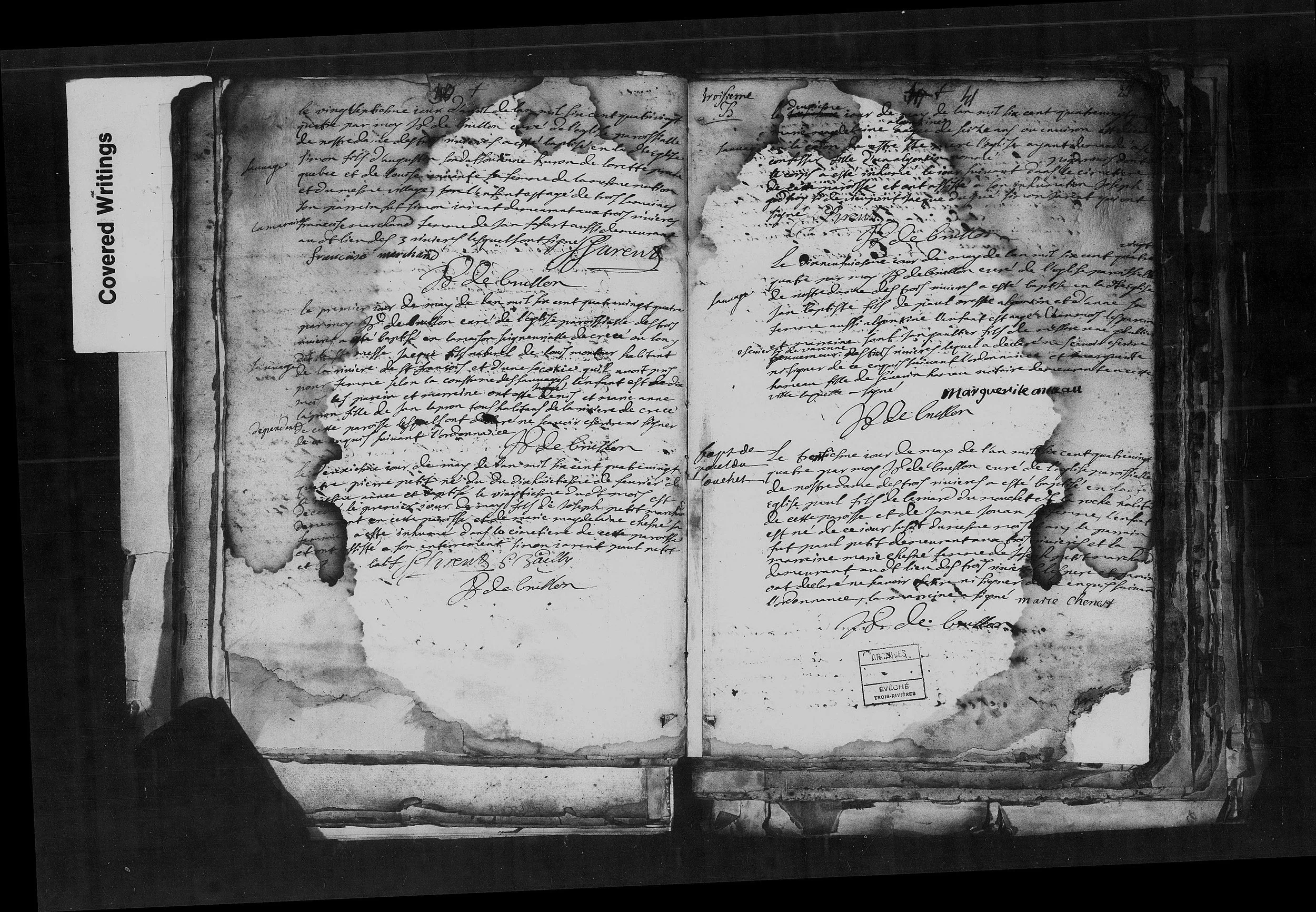
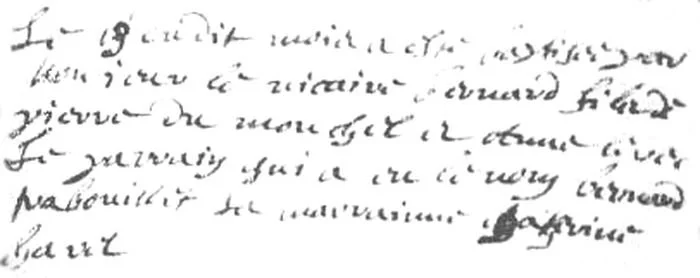
The baptismal record for Jean Dumouchel on 30 May 1689 at Saint-Antoine-de-Padoue, Longueuil, provides a rare glimpse of the family's social connections. The record describes Bernard and Jeanne as "farmers of Monsieur de Longueuil" and names the godparents as André Bouteiller, a carpenter and farmer of Longueuil, and Marie Campaux, wife of François Blot, Master Baker of Montréal. The priest who officiated, Pierre Rodolphe Guybert de la Saudrays, served as curé of Boucherville, Varennes, and Saint-Michel.
The Death of Jeanne Juin
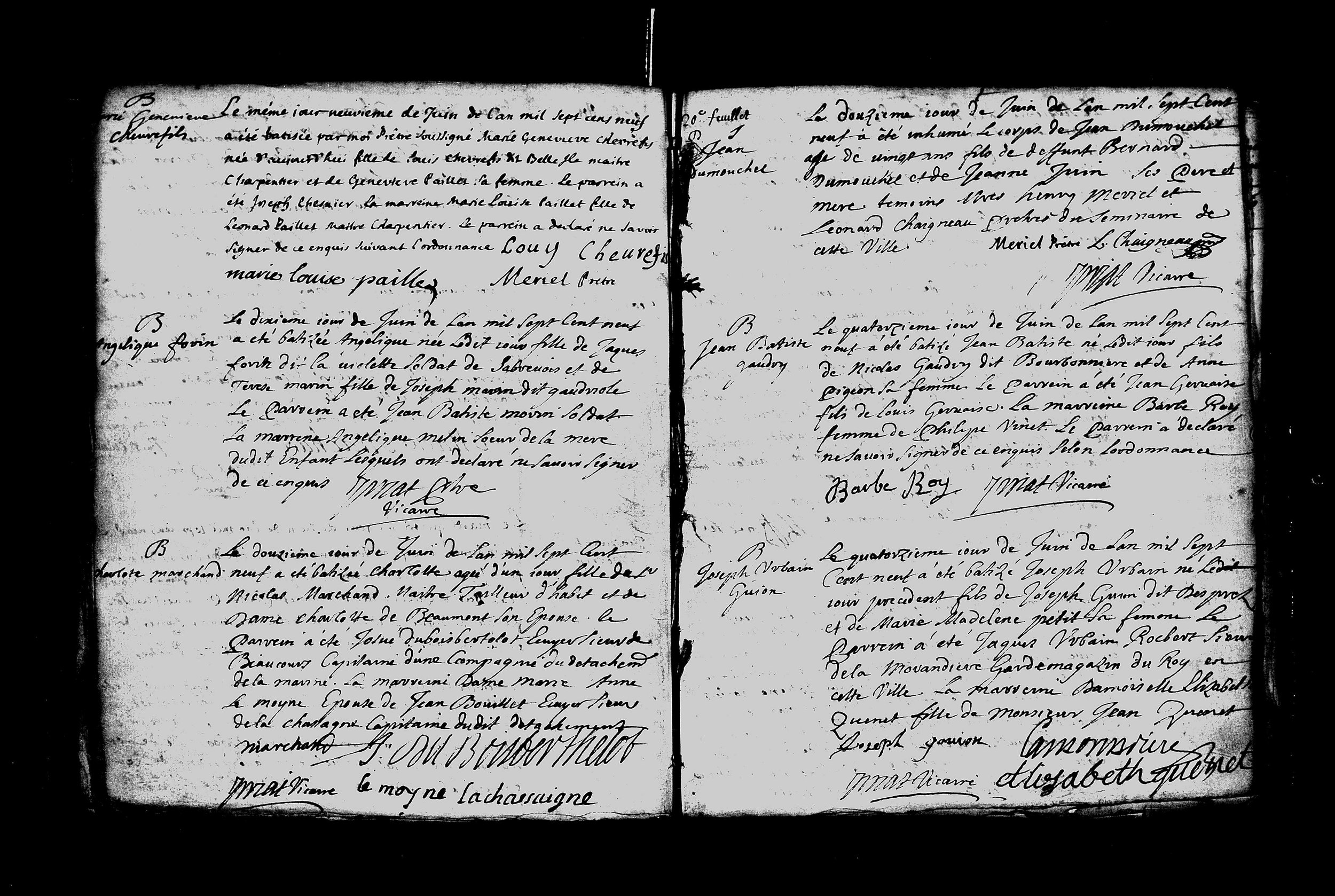
Jeanne Juin died sometime between 30 May 1689 and 22 October 1697. The earlier date marks the baptism of her youngest son Jean, where she is recorded as living; the later date marks her husband Bernard's second marriage contract with Françoise Saulnier (20 October 1697), and the marriage itself two days later, at which point Jeanne is recorded as deceased.
According to René Jetté's Dictionnaire généalogique des familles du Québec, Jeanne died "in the Montréal region" rather than in Montréal itself. No burial record has been located—which was not uncommon for this period. Records were sometimes lost, or deaths in rural areas were not always properly documented. She could have died in Longueuil, which faces the island of Montréal across the St. Lawrence, where the family was living in 1689. Bernard had been a resident of Montréal since at least 1692, when he began taking leases in Ville-Marie.
Jeanne appears on no documents found between May 1689 and October 1697—an eight-year silence that suggests she may have died relatively soon after the birth of her last child.
Bernard's Second Marriage and Death
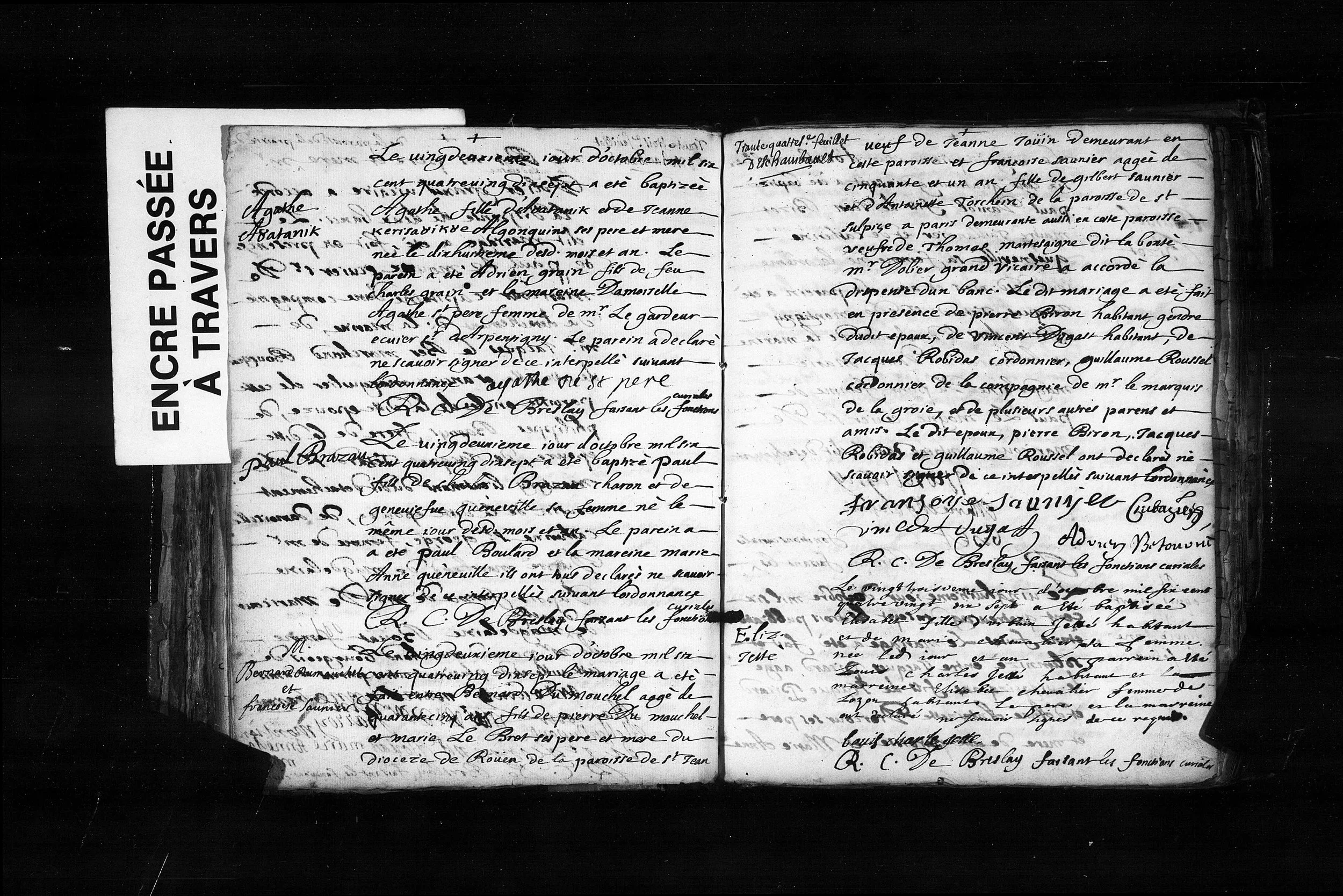
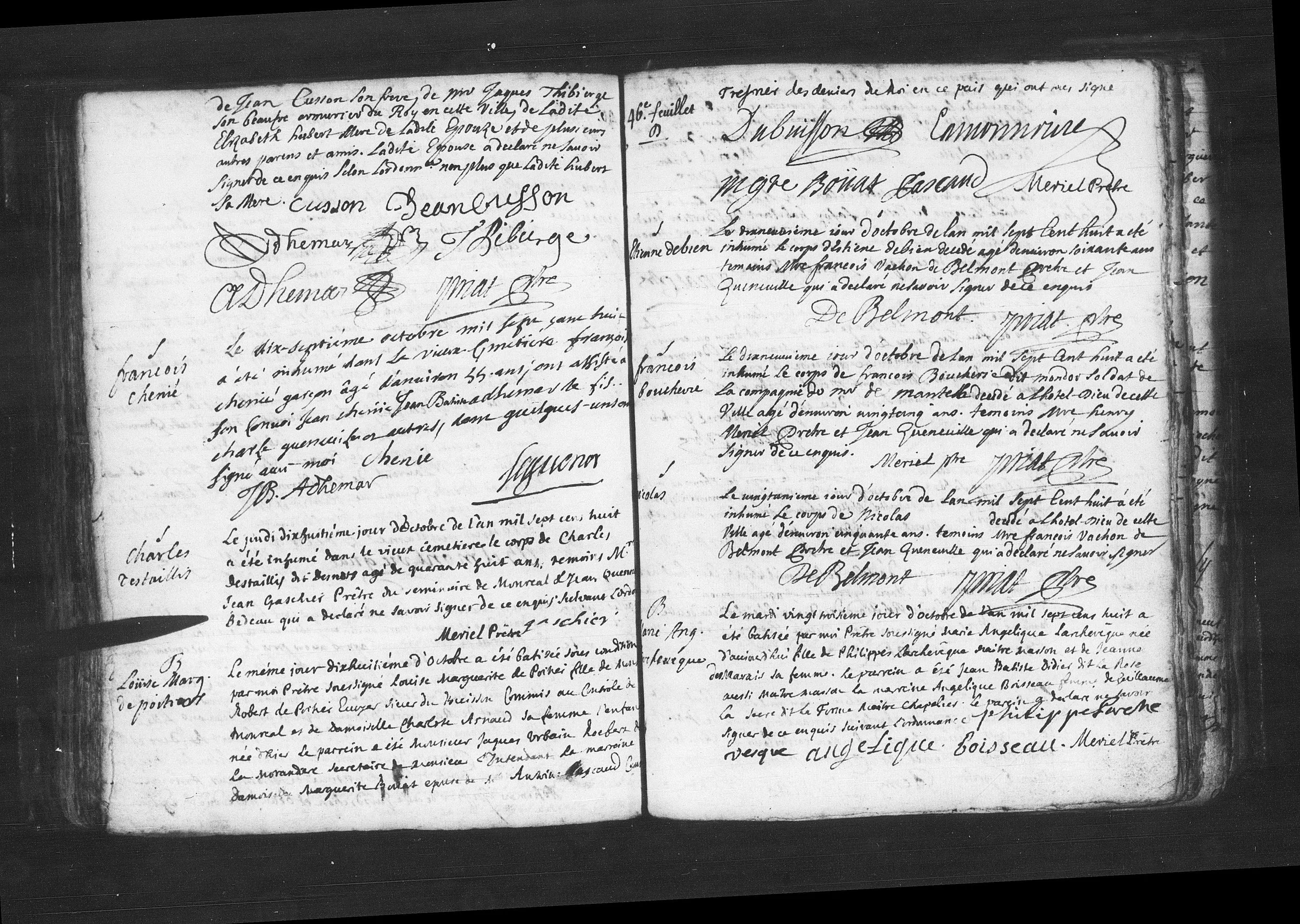
On 20 October 1697, Bernard Dumouchel entered into a marriage contract with Françoise Saulnier before notary Antoine Adhémar in Montréal. Two days later, on 22 October 1697, they married at Notre-Dame de Montréal. The marriage record identifies Bernard as a 45-year-old widower (actually about 49) of Jeanne Jouin, son of Pierre Dumouchel and Marie Lebret, of the parish of Saint-Jean, Rouen diocese. Françoise, aged 51, was herself a widow—her first husband had been Thomas Martesaigne dit Labonté. She was the daughter of Gilbert Saunier and Antoinette Torchein of Saint-Sulpice, Paris.
The wedding witnesses included Pierre Biron (Bernard's son-in-law, husband of Marie Jeanne), Vincent Dugast, Jacques Robidas (cobbler), and Guillaume Roussel (cobbler of the company of M. the Marquis de La Groix). The priest R.C. de Breslay officiated. Bernard, his son-in-law, and the cobblers could not sign; Françoise and several others signed with the priest.
Bernard Dumouchel dit Laroche died sometime between 30 August 1706 (when he is recorded as present at his daughter Françoise's wedding) and 12 June 1709 (when his son Jean's burial record names him as deceased). His second wife Françoise entered into an obligation in November 1706 before notary François Genaple in Québec City, where she is cited as Bernard's wife and not his widow—so presumably he was still living then.
No funeral record has been positively identified as his. It is possible he died at the Hôtel-Dieu hospital of Montréal, whose records were largely lost due to various fires over time. Hospital funerals were often only noted in their own records. His second wife Françoise Saulnier did not give him any children.
Our Connection: Through Marie Françoise Dumouchel
Our direct line descends through Marie Françoise Dumouchel, the third daughter of Bernard and Jeanne, born 18 January 1681 at Champlain and baptized four days later at Notre-Dame-de-la-Visitation.
On 30 August 1706, at Notre-Dame de Montréal, Marie Françoise married Jacques Croquelois dit Laviolette, a 37-year-old sergeant serving in the Compagnie de Longueuil. Jacques was the son of Jacques Croquelois and Madeleine Hay, both of the parish of Saint-Jacques in Dieppe, in the Diocese of Rouen—making both Bernard Dumouchel and his son-in-law natives of Normandy.
The wedding was a notable social event. Among the witnesses were Charles Le Moyne de Longueuil et de Châteauguay, chevalier of the Order of Saint-Louis, Baron de Longueuil, and captain of a Marine detachment—one of the most prominent men in New France. Also present were Michel Fily, Écuyer, sieur de Kérigou; Denis d'Estienne du Bourgué, sieur de Clérin, Lieutenant in the troops; Bernard Dumouchel himself (father of the bride); Claude Maurice (husband of Marie Madeleine Dumouchel, the bride's sister); and many other family and friends.
Marie Françoise lived until 23 November 1748, dying in Montréal at approximately 67 years old—a long life by colonial standards. Through her, the line continues to us today.
Direct Lineage: Jeanne Juin to The Guilbault Line
Legacy: A Fille du Roi's Lasting Impact
Jeanne Juin lived only about sixteen years in New France—perhaps fewer. Her life left no dramatic events in the historical record, no scandals, no remarkable achievements by the standards of her time. She was, by all appearances, an ordinary woman who did what ordinary women did: she crossed an ocean, married, bore children, raised a family, and died.
And yet, the impact of that ordinary life reverberates through centuries. The 770 Filles du Roi who came to New France between 1663 and 1673 are ancestral to the majority of French-Canadians alive today. Demographic studies suggest that two-thirds of all French-Canadians can trace their ancestry to at least one of these women. In the case of Jeanne Juin and Bernard Dumouchel, the Genealogy of French in North America database estimates their descendants number between 420,000 and 840,000 people.
The Filles du Roi: Founders of a Nation
The King's Daughters program transformed New France. In 1666, before the program reached its peak, the colony's population stood at about 3,200. By 1673, when the last Filles du Roi arrived, it had nearly doubled to 6,700. Within a generation, the descendants of these women would number in the tens of thousands. Today, they number in the millions.
Jeanne Juin was one of these founders—a seventeen-year-old girl from Paris who crossed an ocean, married a Norman cobbler, raised six children, and left behind a legacy that grows with each generation.
Sources and Further Research
The primary sources for Jeanne Juin's life include the notarial records of Guillaume de Larue (marriage contract, 17 April 1673), parish registers from Champlain, Trois-Rivières, Montréal, Boucherville, and Longueuil, and the 1681 census of New France. Secondary sources include Peter Gagné's comprehensive The Filles du Roi, 1663-1673 (published reference, pages 316-317), the PRDH-IGD database, René Jetté's Dictionnaire généalogique des familles du Québec, and the Genealogy of French in North America database maintained by Denis Beauregard.
Document Gallery
Want to Know When New Stories Are Published?
Subscribe to receive updates on new family history research—no spam, just meaningful stories when there's something worth sharing.
SUBSCRIBE TO OUR NEWSLETTEREvery Family Has a Story Worth Telling
Whether you're just beginning your research or ready to transform years of work into a narrative your family will treasure, I'd love to help.
BEGIN YOUR RESEARCH INQUIRY