
The Kenny Family Case Study
How collaborative genealogy research and contemporary sources validated a century-old family legend about America's most famous mine rescue
The Challenge
Mary Ellen Molony Brady’s detailed family narrative about ancestor Captain Thomas P. Kenny’s role in the 1909 Cherry Mine disaster — one of America’s deadliest industrial accidents.
While the family story contained impressive detail and specificity, professional genealogical standards required contemporary documentation to verify the account.
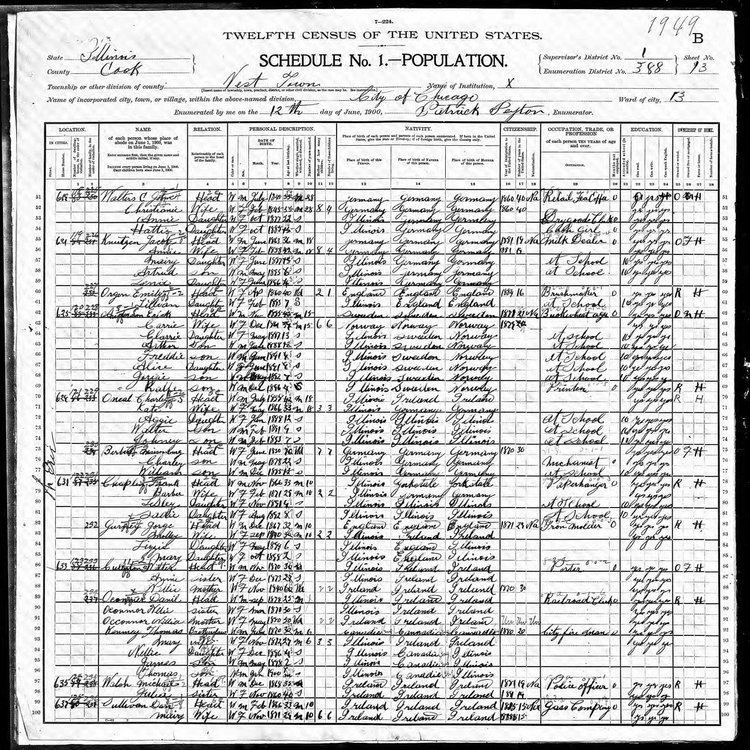
- Multiple “Thomas Kennys” in Chicago census records and city directories complicated identification.
- Complex industrial disaster required specialized knowledge to understand mine firefighting operations.
- Chicago Fire Department lacks permanent public archives.
- Birth records missing from Prince Edward Island church archives.
- Verified facts had to be distinguished from potential family folklore.
The preserved family narrative appeared credible: specific dates, locations, and technical details suggested careful historical preservation rather than embellished storytelling. The question was whether the contemporary record would bear it out.
The Breakthrough
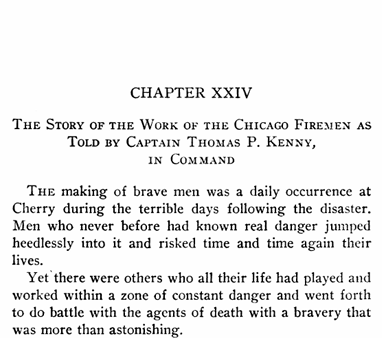
Family Foundation Discovery: Mary Clare Brady had previously located F.P. Buck’s 1910 The Cherry Mine Disaster and preserved it as a PDF — containing Kenny’s detailed firsthand testimony about the five-day firefighting operation, told in his own words in Chapter XXIV.
Contemporary Validation: Newspaper database searches found Chicago Tribune headlines “MORE FIREMEN SENT TO NEW CHERRY FIRE” and Kenny’s quoted testimony about near-suffocation underground.
Career Documentation: Transfer records revealed Kenny’s progression from Hook & Ladder 28 to Engine Company 40 — exactly the dual expertise needed for complex mine disasters.
Multi-Generational Collaboration: Connected with Kenny descendants Mary Clare and Laura Brady through sister Claire, accessing decades of preserved research and documentation.
Cross-referencing multiple Illinois newspapers from November 1909 placed the family’s account against real-time coverage of the disaster — verifying not just that Kenny was there, but the technical details of the mine firefighting operations the family story had preserved.
The Result
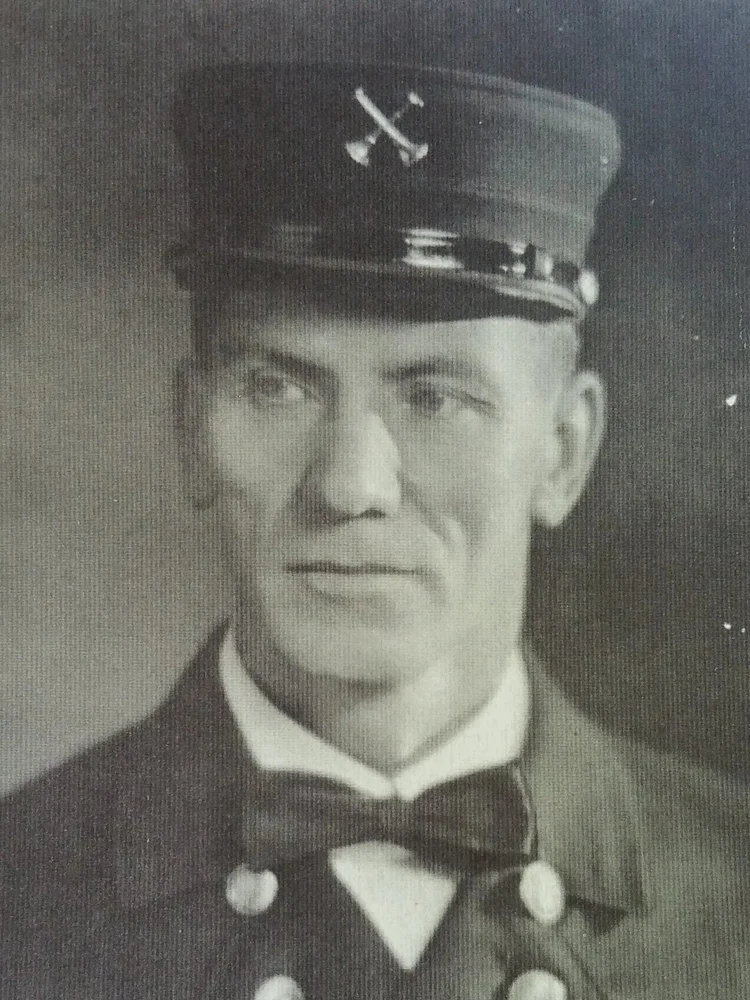
“Captain Thomas P. Kenny” became a thoroughly documented Chicago Fire Department hero whose technical expertise helped enable the rescue of 21 miners found alive after eight days underground.
The complete family journey reconstructed — Prince Edward Island → St. Lawrence River → Chicago → Florida — across 150+ years of history.
Well-preserved oral history validated with 25+ contemporary sources spanning six decades.
Multi-generational collaboration connected Brady family researchers through Claire Hamall Moyer, accessing decades of preserved materials including Buck’s 1910 firsthand account.
The family legend became the key that unlocked documented American industrial safety history.
This case study rests on work that began long before it: Mary Ellen Molony Brady’s preserved narrative and handwritten family group sheets for the Kenny and Connors families, and Mary Clare Brady’s preservation of Buck’s 1910 account. Every family needs someone who cares enough to write it down — this research exists because they did.
The six-phase investigation behind this case study — the family source foundation, the contemporary newspaper verification, the career documentation, and the complete evidence base — is available in the full methodology.
Read the Full Methodology Read “Hero in the Depths” Explore Our Services