
Covehead and Avonlea
The same red roads, the same rolling fields—but a more complex story
Covehead and Avonlea
If you've followed our Kenny-Connors documentary biography series, you've walked the red-clay roads of Lot 34 in Queens County, Prince Edward Island—the same landscape that inspired one of the most beloved novels in English literature. Lucy Maud Montgomery's Anne of Green Gables, published in 1908, drew directly from the farming communities, social customs, and geography of late 19th-century PEI. For descendants of the Kenny and Connors families, this means something remarkable: your ancestors lived in the real-world version of Avonlea.

The Same Red Roads
Montgomery drew her inspiration for Avonlea from her childhood experiences in the late 19th-century farming communities surrounding Cavendish, New Glasgow, New London, Hunter River, and Park Corner. These communities sat just west of Lot 34, sharing the same distinctive landscape: iron-rich red clay roads that turned to mud in spring, rolling green fields bordered by hedgerows, and the ever-present sound of the Gulf of St. Lawrence.
For the Kenny and Connors families on Lot 34—in Covehead, Pleasant Grove, and along Friston Road—daily life would have felt strikingly similar to the world Montgomery later immortalized. The same red dirt. The same farming cycle. The same rhythm of church on Sunday and neighbors helping neighbors through harvest.
"The sun was coming up over the big woods beyond the bare, marshy fields... Red roads wound up and down between meadows and plowed fields and woods, the air sparkled and the sunlight was clear and bright."
What They Shared
The Kenny and Connors families would have recognized almost everything about Anne Shirley's world—because they lived in it.
The Red-Dirt Landscape
Your ancestors traveled the same iconic red-soil roads described by Montgomery. The distinctive color comes from high iron content in the clay—when it oxidizes, it turns the famous rusty red that defines PEI's visual identity.
The Farming Cycle
Like the Cuthberts, Lot 34 families lived by the agricultural calendar: spring planting, summer cultivation, fall harvest, winter survival. Potatoes, oats, and barley were staples; every family kept cows, pigs, and chickens.
Church as Community Center
For the Kenny and Connors families, St. Eugene's Catholic Church played the same role that Presbyterian and Methodist churches did in Avonlea—the anchor of social life, where news was shared and community bonds were strengthened.
The One-Room Schoolhouse
Children on Lot 34 attended small local schools, walking the same kind of woodland paths that Anne and Diana traveled. Education was valued, but seasonal farm work often took priority.
Daily Life on the Island
The material world of Lot 34 closely matched what Montgomery described. Farmhouses featured wood-frame construction with typical outbuildings—barn, granary, woodshed. Families cooked on wood-burning stoves, lit their homes with kerosene lamps, and yes, drank raspberry cordial on special occasions.
What They Ate
The Rhythm of Meals
What Was Different
While Montgomery captured the spirit of 19th-century PEI, her fictional Avonlea smoothed over some of the harder realities that families like the Kennys and Connors faced. The differences are revealing—both about Island history and about what Montgomery chose to romanticize.
| Feature | Lot 34 (Reality) | Avonlea (Fiction) |
|---|---|---|
| Land Ownership | Primarily part of the Montgomery Estate. Families were tenants under 999-year leases, paying rent to absentee landlords. | Portrayed as independent farm owners (like the Cuthberts), downplaying the historical tensions of the "Land Question." |
| Economic Reality | Tenant farmers often trapped in cycles of debt, buying supplies on credit against future harvests. | A comfortable, if modest, world where hard work leads to security. |
| Religious Diversity | Mixed Catholic and Protestant communities. The Kenny and Connors families were Irish Catholic in a predominantly Scottish Presbyterian area. | Almost exclusively Protestant. Catholic characters are notably absent from Avonlea. |
| Ethnic Tensions | Real tensions existed between Scottish Presbyterians, English settlers, Irish Catholics, and Acadians. The Belfast Riot of 1847 was one violent example. | A harmonious, ethnically homogeneous community with little conflict. |
| Primary Industry | Diverse economy: farming, shipbuilding, lumber, milling. At least one mill operated within Lot 34. | Centered almost exclusively on farming and lobster fishing—a simpler, more pastoral vision. |
The "Land Question"
The most significant difference between Lot 34 and Avonlea was the question Montgomery never addressed: Who owned the land? Unlike farmers in most of North America, PEI tenants lived under a feudal-style system where land belonged to absentee proprietors. Families paid rent—often one shilling per acre—and could never truly own their farms. The Tenant League of the 1860s organized mass rent strikes; the issue was so contentious that it was the primary reason PEI initially rejected joining Canadian Confederation. Only after Canada provided £800,000 to buy out the estates did PEI join in 1873. The Land Purchase Act of 1875 finally allowed farmers to own what they had worked for generations.
The Landscape Today
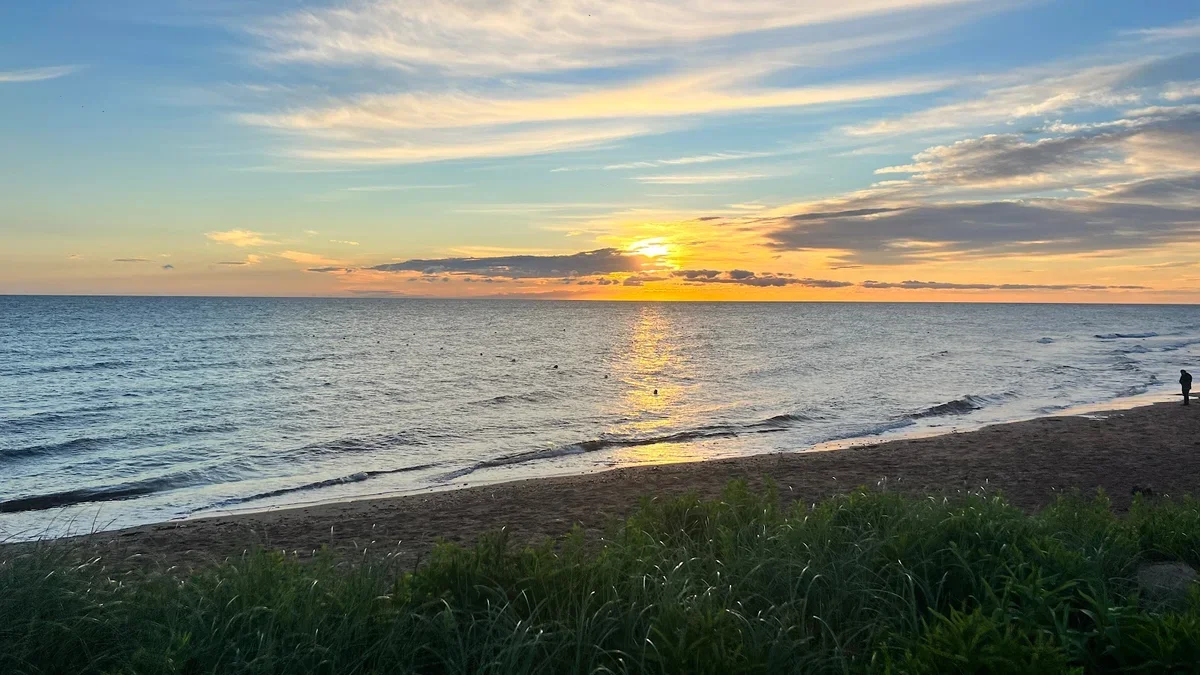
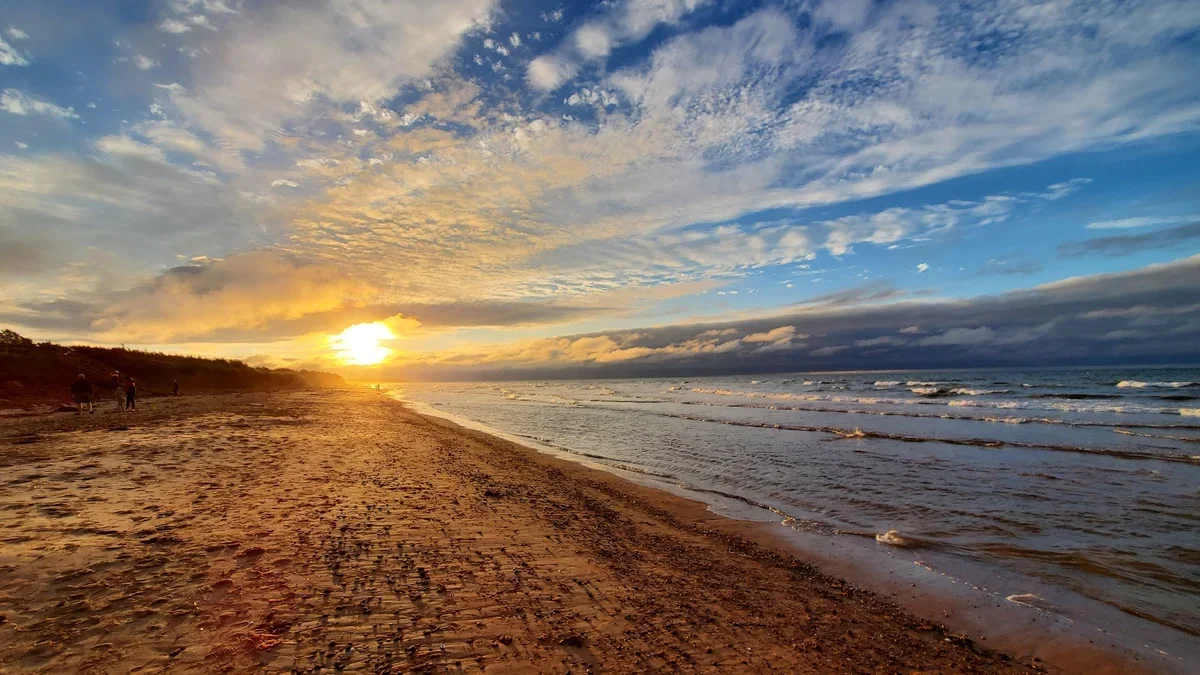
For descendants who want to walk where the Kenny and Connors families walked—and see the landscape that inspired Montgomery—Lot 34 and the surrounding area offer remarkable continuity with the past.
Places to Visit
If you're planning a trip to Prince Edward Island to connect with your Kenny-Connors heritage, these sites offer both genealogical significance and a tangible link to the 19th-century world your ancestors inhabited:
Green Gables Heritage Place
The farmhouse that inspired the novel, featuring the iconic green-gabled home, gardens, and the "Haunted Wood" walking trails. While fictional, the setting captures the rural charm your ancestors would have known.
Covehead Harbour Lighthouse
Located directly on Lot 34, this charming historical lighthouse sits at the heart of Kenny-Connors country. The harbour area appears on the same maps that show the family farms.
PEI National Park (Brackley/Stanhope)
The North Shore beaches closest to Lot 34. Walk the red sand, look out at the Gulf of St. Lawrence, and see the landscape your ancestors saw every day of their lives.
St. Dunstan's Basilica, Charlottetown
Where several Connors children were baptized in the 1830s-40s. The original church has been rebuilt, but this remains the mother parish for Island Catholics.

From Fiction to Family
Lucy Maud Montgomery gave the world a romanticized vision of Prince Edward Island—one that still draws hundreds of thousands of visitors each year. But for Kenny and Connors descendants, the real story is richer and more complex than fiction.
Your ancestors didn't live in Avonlea. They lived in Lot 34—a place of 999-year leases and rent collectors, of Irish Catholic families carving farms from the forest, of neighbors who became family through three marriages in three years. They knew the same red roads and rolling fields, but they also knew the Land Question, the struggle for ownership, and the hard realities that Montgomery chose not to write about.
That's what makes their story worth telling. Not the romanticized pastoral, but the documented truth: real people, real records, real lives lived on the same beautiful, complicated Island that inspired one of literature's most beloved settings.
For the Reader
If you love Anne of Green Gables, visiting PEI will feel like coming home to a place you've never been. If you're also a Kenny or Connors descendant, you'll walk the same ground your ancestors walked—the real Avonlea, preserved in parish registers, census records, and the enduring red-clay roads of Lot 34.
Continue the Documentary Biography
This companion piece accompanies the Kenny-Connors Documentary Biography Series. Episode 4, "Covehead," explores Hugh Connors' settlement on Lot 34 in detail—including the 1863 Lake Map showing both "L. Kenny" and "H. Connors" as neighbors on the same township.
For my daughter, my nieces, and my grand-niece—
may you always find your ancestors in the things you love
☘ Free Download: PEI Genealogy Quick Reference Guide
Get the printable 4-page guide with repositories, maps, search tips, and checklists—the same methodology used to research the Kenny-Connors families. Keep it at your desk while you research.
Get Your Free GuideEvery Family Has a Story Worth Telling
Whether you're just beginning your research or ready to transform years of work into a narrative your family will treasure, I'd love to hear your story.
BEGIN YOUR RESEARCH INQUIRY