
Professional Life
Thomas Kenny
Hamall
When Tom Hamall left the seminary and finished his degree at the University of Miami, no one could have drawn the map of where his working life would lead. Over the next four decades it would touch cancer research and preventive medicine, riot-torn cities and corporate boardrooms, a farmhouse in Ohio and a chamber of commerce in Atlanta, international trade missions and public television. He held titles in state and federal government, in major national corporations, in universities, and in his own consulting firm. This is the documentary record of that career — pieced together from the certificates, letters, press releases, and newspaper clippings he kept, and the objects that survived him.
It is a career that resists a tidy summary, because Tom never stayed in one lane. But a thread runs through all of it: wherever he went, he built the connections between institutions and the communities they served. He was, as one colleague put it, an orchestra conductor — getting people to play in concert who might never otherwise have shared a stage.

"The Educational Director"
Tom's professional life began where his boyhood had been spent: in Miami. By April of 1955 he was a member in good standing of the Miami Junior Chamber of Commerce — the first of a lifetime of chamber affiliations, though he could not have known it then. And by the following winter he held a title that would shape the next decade of his work: Educational Director of the American Cancer Society.
The work was unglamorous and vital. He showed cancer-education films to auxiliaries and chapters across the region, teaching the public to recognize the disease in curable stages. In February 1956, the Greater Miami Auxiliary of the American Medical Center at Denver wrote to thank him — "at the request of our President" — for showing the cancer film at their meeting. It is the earliest surviving letter of his career, and it already shows the pattern: Tom Hamall, making the connection between an institution and the people it needed to reach.
Documented Evidence
He would serve the American Cancer Society in executive capacities for nearly a decade, and later hold an ACS Fellowship at Columbia University's School of Public Health. The cause of cancer — its prevention, its early detection, the public's understanding of it — would recur throughout his life. It is a quiet irony that the disease he spent his early career fighting would be the one that claimed him fifty-five years later.
"Friends of Strang"
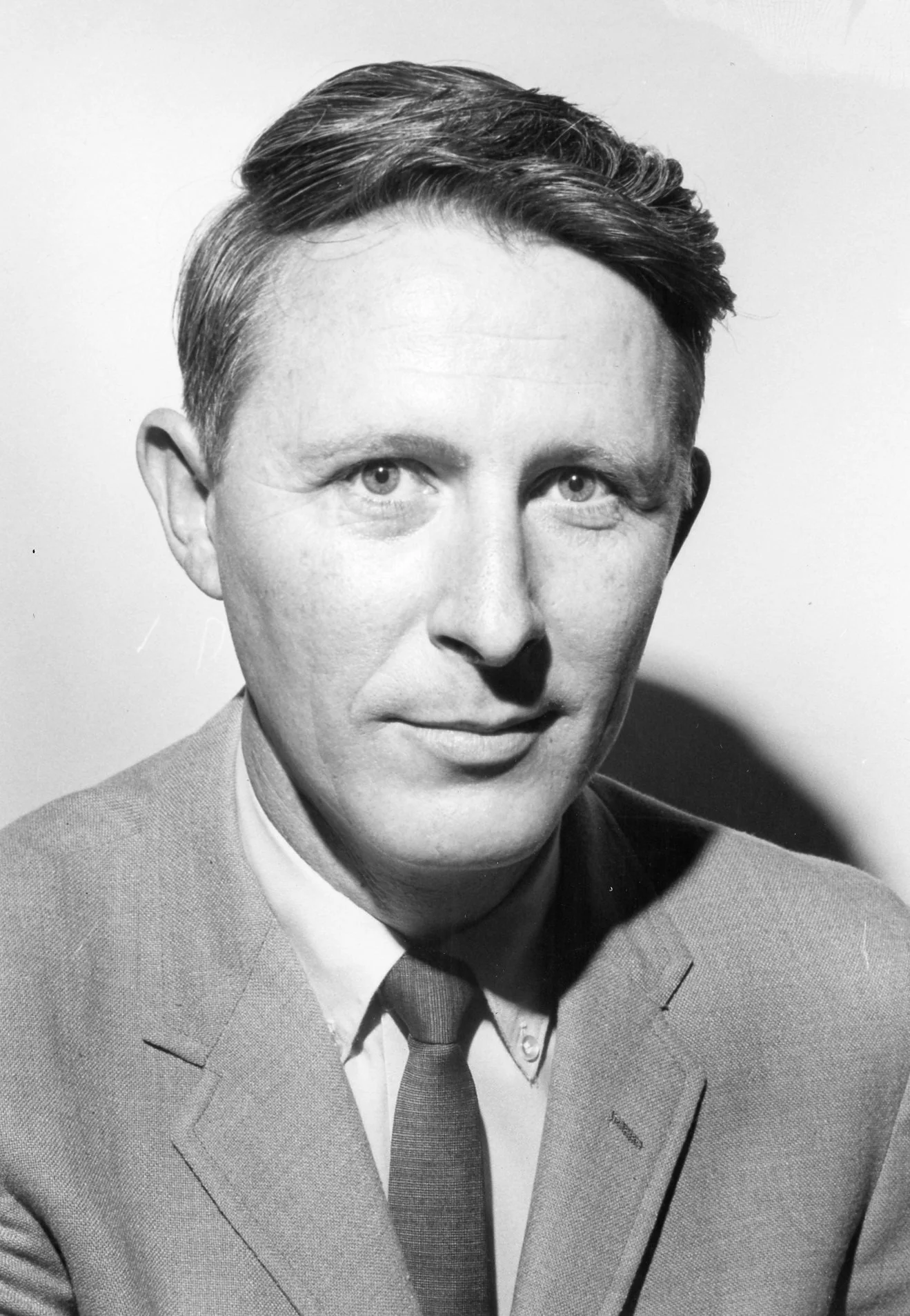
By the mid-1960s Tom had moved to New York, to the Preventive Medicine Institute–Strang Clinic at 55 East 34th Street — the nonprofit built on the conviction that "cancer and other diseases can be prevented, found in curable stages." As director of development and information, he built its first volunteer arm, the Friends of Strang.
In December 1966, the Friends of Strang held a New Year's Eve gala at the Regency Hotel — cocktails, gambling, dancing, a buffet, black tie, sixty dollars a person. The committee list reads like a mid-century Manhattan society page: the honorary chairman was Mayor John V. Lindsay; the board of trustees included the broadcaster Arthur Godfrey; the guests included Mrs. Frank Gifford and the television host Buff Cobb. Tom Hamall's name is on the release as the man to call for more information. He had come a long way from showing films to Miami auxiliaries — but it was the same work, scaled up.
Documented Evidence
"The Rugged Central Ward"
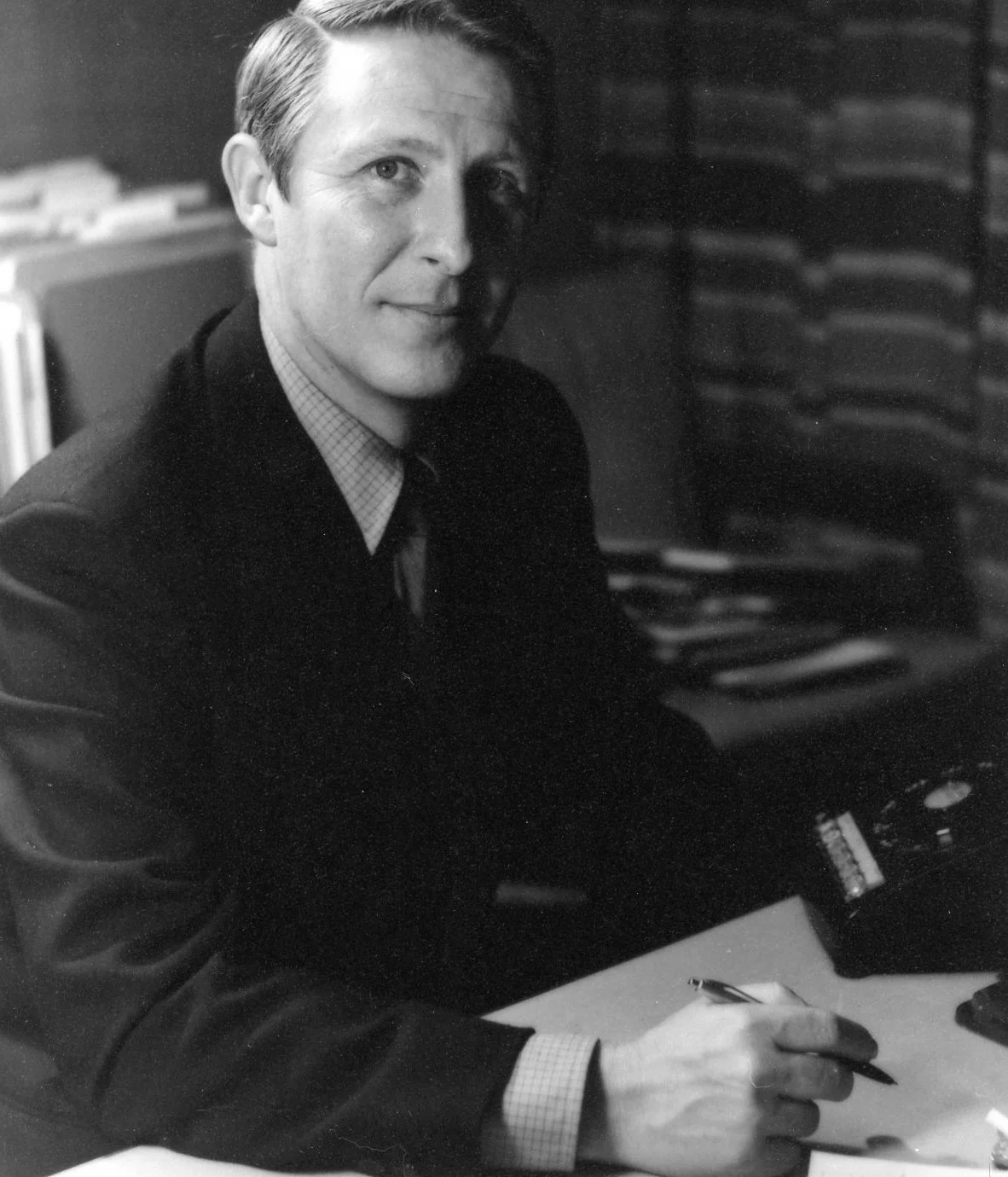
In 1967, Tom was named Director of Development at the New Jersey College of Medicine and Dentistry in Newark — a Plainfield resident now, at 918 Madison Avenue. It was demanding, consequential work: he coordinated an application that resulted in a $35 million construction grant from the Department of Health, Education and Welfare, described at the time as the largest in HEW history for medical-school construction.
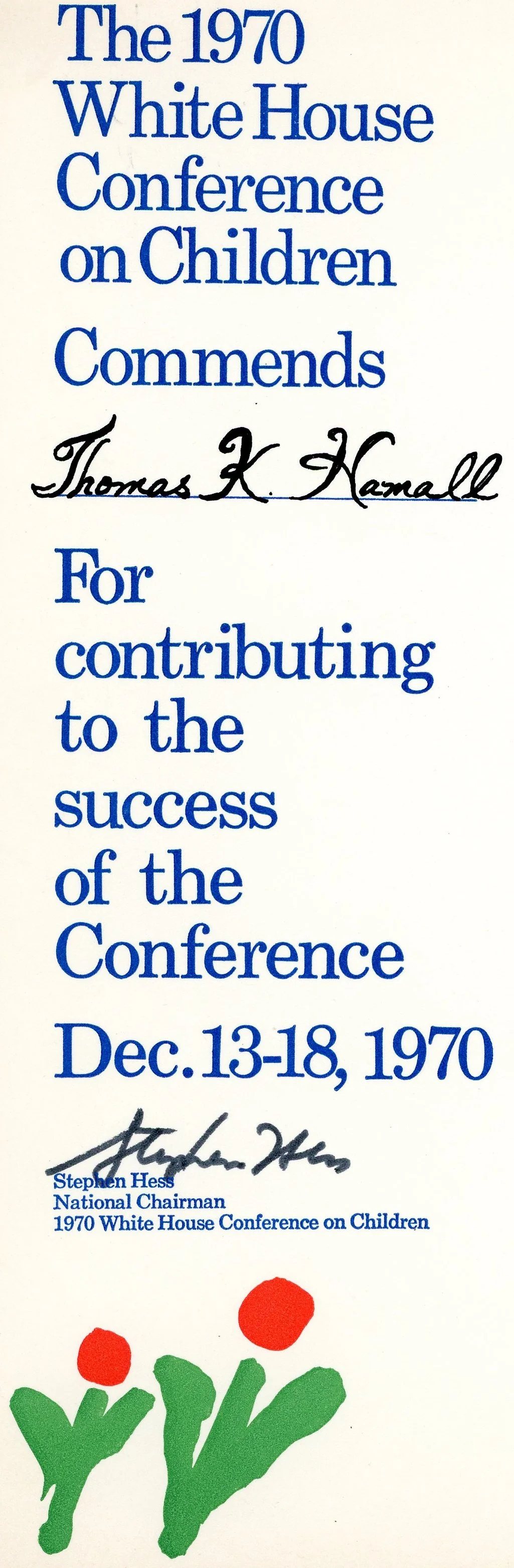
But it was the city around the college that drew out the fullest measure of the man. Newark in the late 1960s was a city in crisis, and Tom did not stay on the comfortable sidelines. He developed an inner-city communications experiment in the riot-torn city that drew national attention — involving the college, a major food company, a federal agency, five radio stations, and Black and Puerto Rican disc jockeys, writers, and students. He co-founded the Mobilization of Churches and Synagogues to Rebuild the City. In his own Plainfield, he served on the Housing Authority from September 1969 to April 1971, chairing both its Madison-Park Committee and its Public Relations Committee. He was a delegate and consultant to the White House Conferences on Children — in both 1960 and 1970.
Documented Evidence
"A 14-Room Farmhouse"
In February 1971, Tom resigned from the College — effective the 15th — to accept a position as Corporate Director of Civic Affairs with Borden, Inc. The move took the whole family west: Tom, Barbara, and their five daughters left their sprawling home on Madison Avenue and moved into an old fourteen-room farmhouse, built in 1860, in Delaware, Ohio. Borden's administrative offices were in Columbus. A river ran by the property line; a neighboring farmer had planted ten acres of corn.
At Borden, Tom established the Civic Affairs post and supervised government relations, community programs, minority affairs, and charitable contributions for the 46,000-employee corporation. He served as President of the Borden Foundation. He was instrumental in Central Ohio community projects — Franklin County's comprehensive drug-treatment program, Capital University's evening M.B.A. course. Then, in March 1974, after three years with Borden, he became a Fellow of the Academy for Contemporary Problems — the joint undertaking of Battelle Memorial Institute and The Ohio State University — working with Central Ohio civic groups and the Academy's Design Center for Community Communications.
Documented Evidence
"Running the Chamber on a Daily Basis"

In 1974, at forty-two, Tom came to Atlanta from the Buckeye State to run the Atlanta Chamber of Commerce. As chief operating officer and executive vice president — a post equivalent to today's chamber president — he led a staff of some sixty professionals across economic development, public affairs, and membership, and served as publisher of Atlanta Magazine from 1974 to 1977. He would hold the role for nine years, through what he later called the good fortune of "running the Atlanta Chamber of Commerce on a daily basis."
His timing placed him at the center of Atlanta's coming-of-age. In January 1976, he was chosen as one of eleven U.S. businessmen to tour Japan as guests of its Ministry of Foreign Affairs — a mission he memorialized in a bylined essay, "Kipling Was Wrong: East & West Can Meet, Intermingle." The developer Herman Russell, the Chamber's 1981 chairman and the first African-American member Tom had championed, remembered him as the one who "really made a very significant move in building trade with foreign countries — Russia, Europe and beyond. He really put Atlanta on the map when it came to international trade."
Those dark days came. From the summer of 1979, Atlanta was gripped by the murders of its Black children — a civic trauma that threatened everything the city had built. The Chamber worked alongside the police and city hall, and Tom took an active role in steadying the business community and the city's nerve. When the national wire services came, it was Thomas K. Hamall, executive vice president of the Atlanta Chamber of Commerce, who was quoted by name, insisting the city would come through. In March 1981 — the same season — Atlanta's Department of Public Safety presented him its Citizen Award "for outstanding contributions to the Department and the City."
His peers recognized the same qualities. He served on all three tiers of the chamber-executives world at once: elected chairman of the Metro Cities Council of the American Chamber of Commerce Executives — the 63 largest U.S. metros — for two consecutive years; a director of the Southern Association of Chamber of Commerce Executives; and president of the Georgia Chamber of Commerce Executives Association in 1981–82. That same year, 1981, he was named a Georgia International Business Fellow — a distinction his papers place at the University of London, though other accounts name the London School of Business.
Documented Evidence
"University Partnerships"

After the Chamber, and a turn in strategic-planning consulting, Tom brought his lifelong gift — connecting institutions to the communities around them — to the Georgia Institute of Technology. He headed Tech's Civic Affairs program from 1989, and in April 1991 was named Director of University Partnerships, a new department built, in the words of the vice president who appointed him, "to take the fullest advantage of the background and experience" he brought. He was responsible for the Institute's community outreach and for strengthening its ties to alumni, industry, chambers of commerce, local governments, and school systems across the state.
He served Georgia Tech for roughly a decade. In May 1998, at his retirement, the Institute's president G. Wayne Clough signed a certificate of appreciation "for ten years of dedicated service." But Tom, characteristically, was not done working — as a friend wrote him that August, his retirement did not mean he had stopped, only that he was "simply doing different work."
Documented Evidence
"Different Work"
Running alongside and beyond the Chamber and Georgia Tech years were the commitments that may have meant the most to him. In 1985 he had founded the Arbor Gate Group, a Peachtree City consulting firm specializing in strategic planning, whose clients ranged from the Governor of Georgia's Growth Strategies Commission to the City of Jacksonville to the U.S. Peace Corps Office of Inspector General, which commended him in 1992. He was the founding father of the Atlanta Educational Telecommunications Collaborative, which operates public broadcasting's WABE-FM and WPBA-TV; in 2001 he received the first Louis W. Sullivan Award from Public Broadcasting Atlanta. He was a founding member, president, and board chairman of the Lenbrook Foundation, breaking ground on the Atlanta retirement community in 1982 and guiding it for decades.
And in the years his neighbors knew him best, he simply kept serving: the Peachtree City Commission on Children and Youth, which he helped found; the Fayette County Schools tutor program; the mentoring council in Southeast Volusia County, Florida; and, near the very end, the ENCORE! Fayette senior leadership program, which he co-created and then went through as an ordinary participant in its first class, in January 2009. He was, by then, exactly what a young reporter in Plainfield had called him forty years before: a man who shunned the comfortable sidelines.

From a Miami cancer film to the founding of a public television collaborative — this is the documentary record of Thomas Kenny Hamall's professional life. The story of the family who moved with him through every chapter — Barbara, and the six children — continues in the Family Man episode.
Document Gallery

1955 — Miami Junior Chamber of Commerce
Certificate of Membership, April 26
MEMBERSHIP
1955 — The Miami Times
May 7 — Educational Director, American Cancer Society
NEWSPAPER
1956 — American Cancer Society
Feb 7 — letter of thanks, Miami
LETTER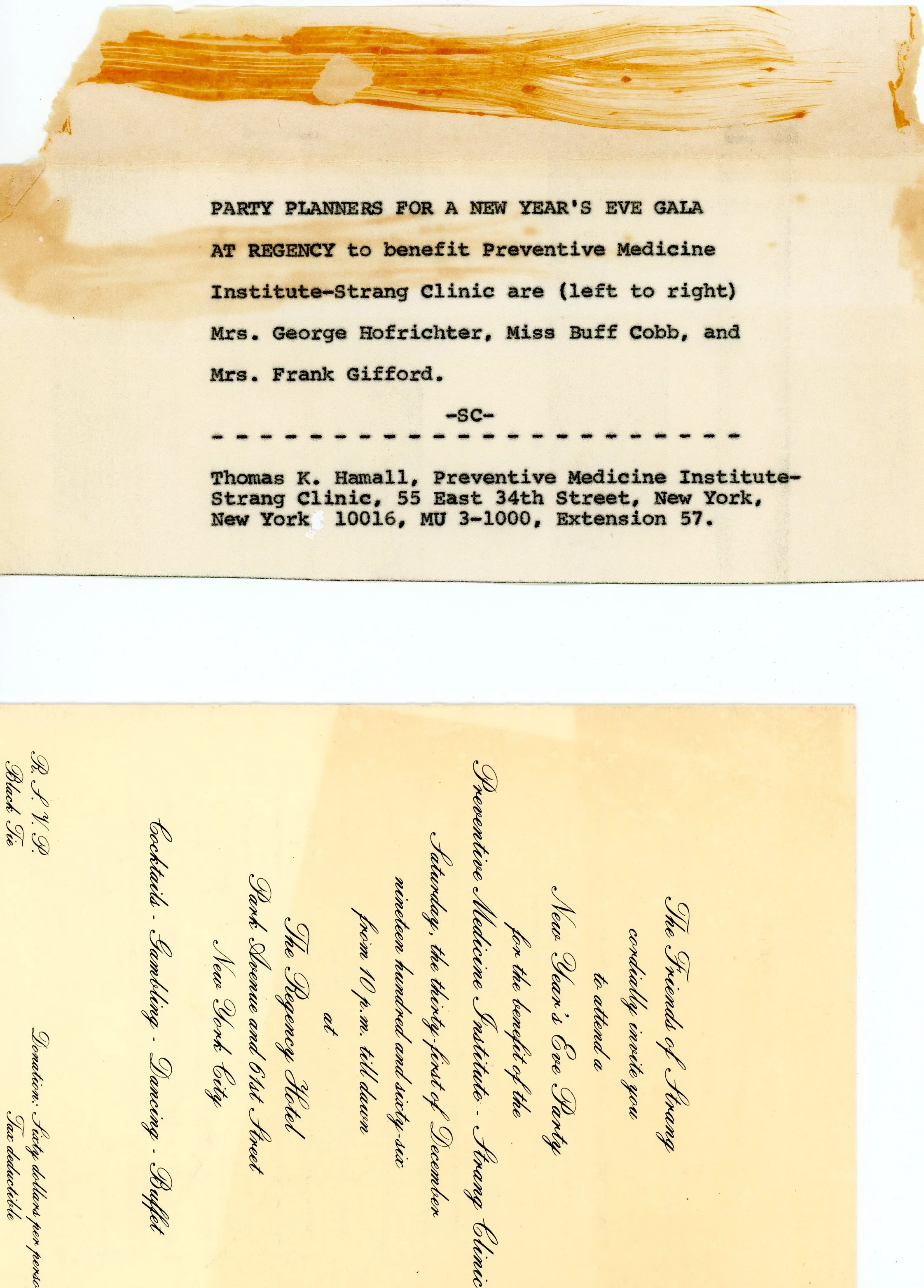
1966 — Friends of Strang
December — New Year's Eve gala program
PROGRAM
1966 — Friends of Strang
Committee & Board of Trustees (Lindsay, Godfrey)
PROGRAM
1967 — Newark Star-Ledger
April 2 — "Med school exec post"
NEWSPAPER
1967 — College of Medicine & Dentistry
Sept 22 — Federal Construction Grant memo
DOCUMENT 1970 — White House Conference on Children
Commendation, Dec 13–18 (signed Stephen Hess)
COMMENDATION
1971 — Resignation to Borden
Feb 10 — NJ College memo (effective Feb 15)
LETTER
1971 — "City and State Losing Dedicated Civic Leader"
Plainfield — the move to Borden & Ohio
NEWSPAPER
1971 — Housing Authority of Plainfield
April 30 — resolution of thanks (1969–71)
RESOLUTION
1974 — Borden, Inc.
Feb 28 — "To the Organization" transition letter
LETTER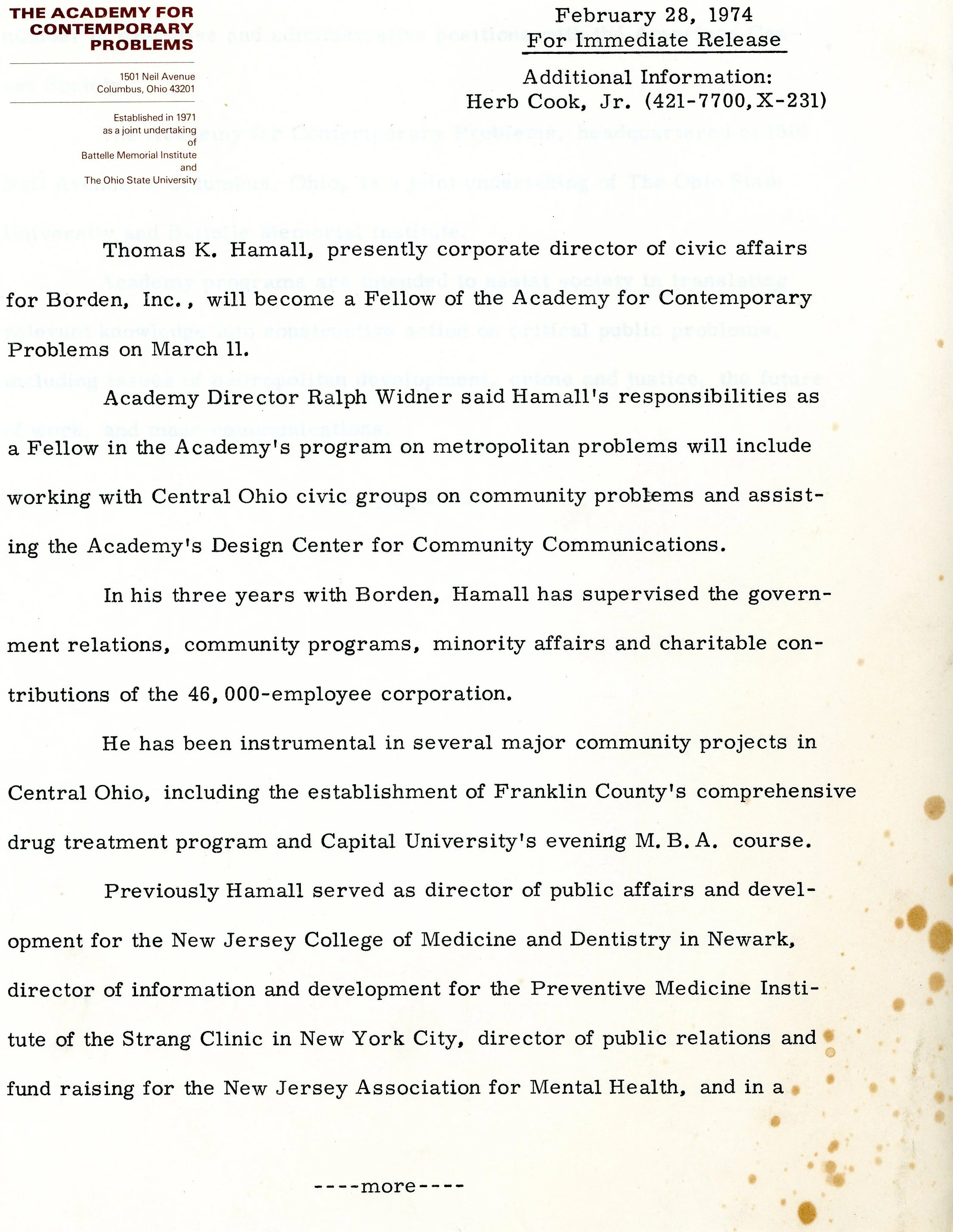
1974 — Academy for Contemporary Problems
Feb 28 — press release (Fellow, effective Mar 11)
PRESS RELEASE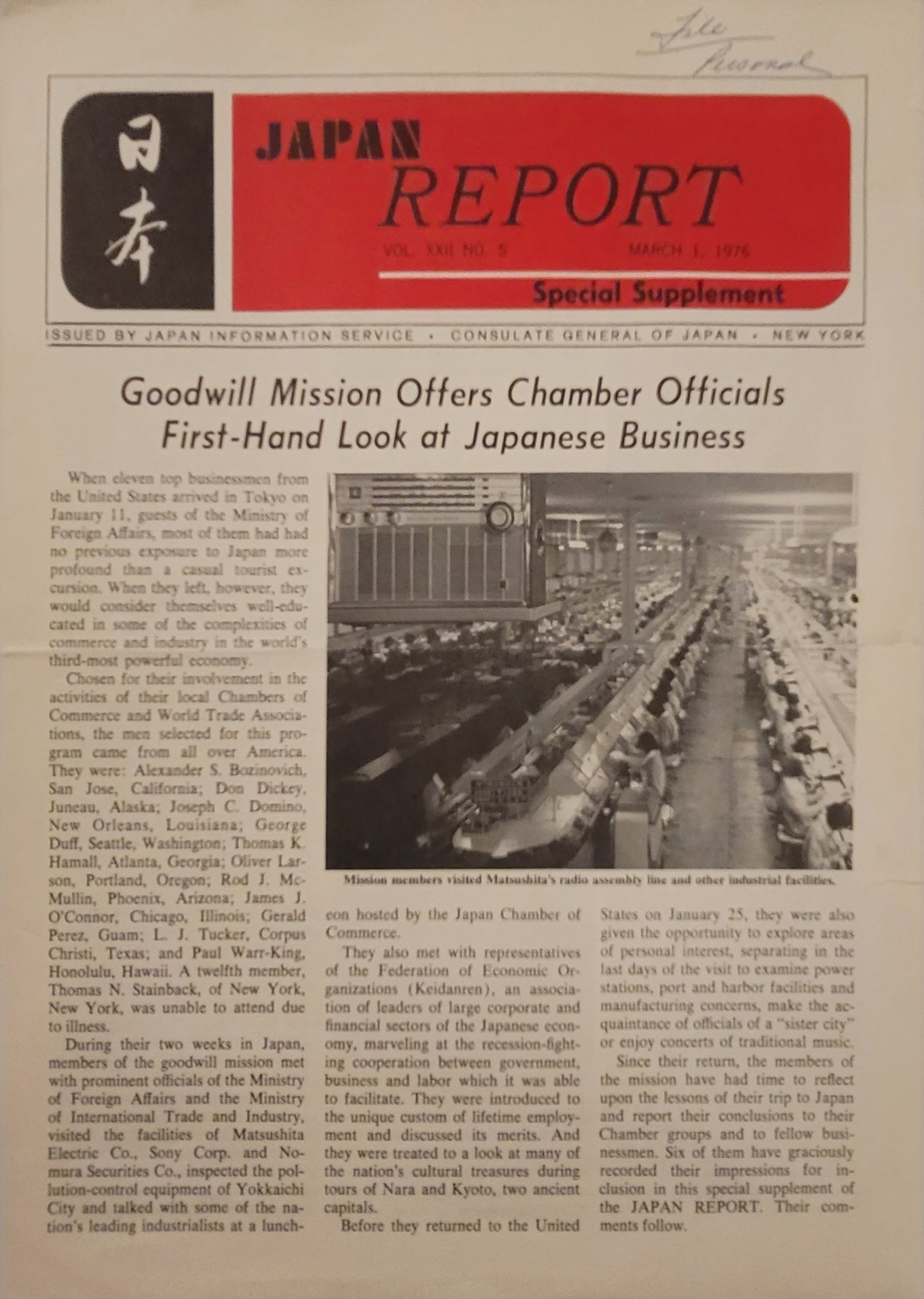
1976 — Japan Report
Mar 1 — goodwill mission & "Kipling Was Wrong" essay
HIS WRITING
1981 — "Child Killings: The Toll on Atlanta"
AP — Hamall quoted as Chamber EVP
NEWSPAPER
1979 — Forward Atlanta
Chamber member newsletters (EVP masthead)
NEWSPAPER
1985 — Mobile Press Register
Sep 21 — "Consultant says area needs leadership"
NEWSPAPER
1991 — Georgia Tech News Bureau
April 2 — "Hamall Named to New Post"
PRESS RELEASE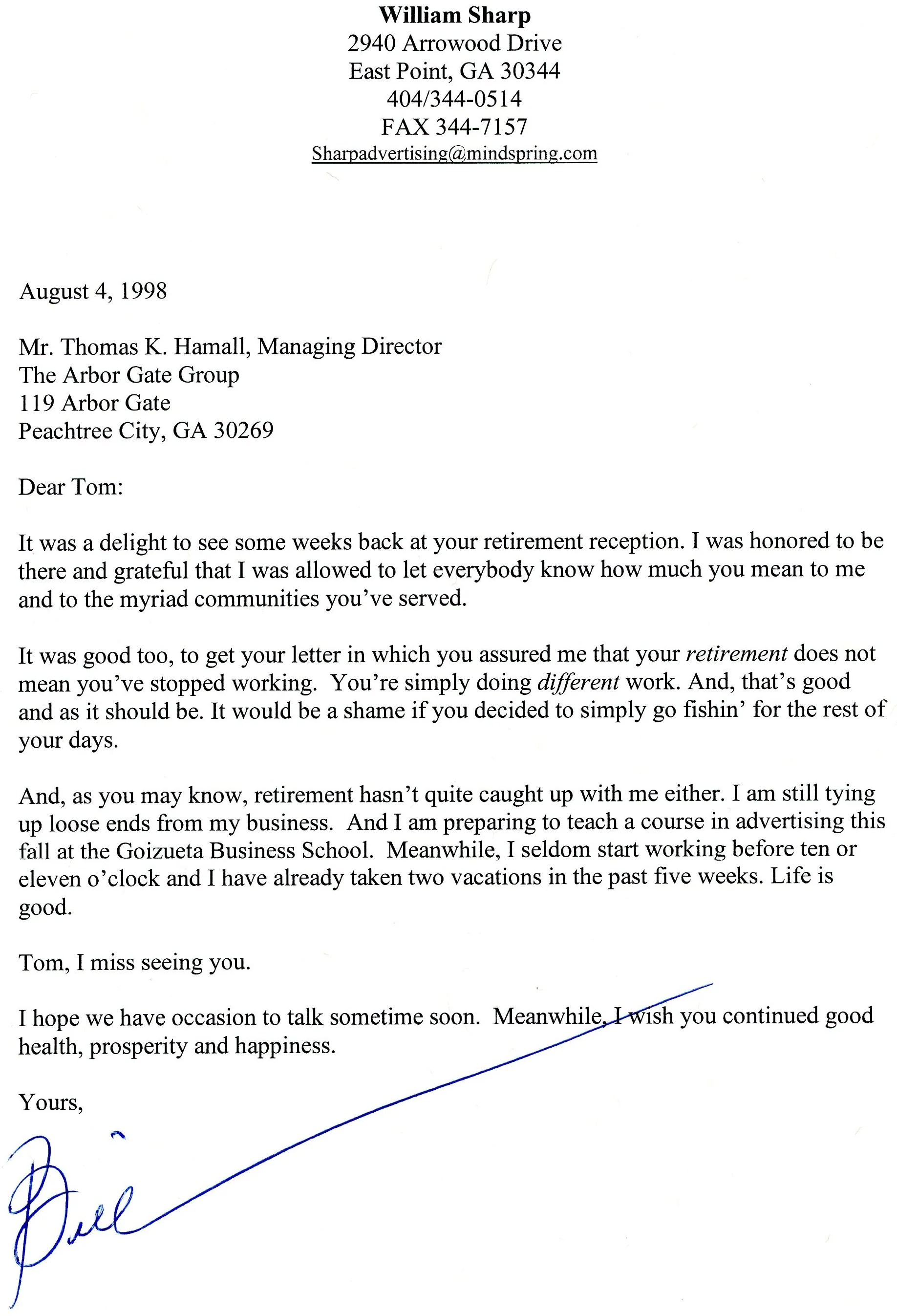
1998 — Letter from William Sharp
Aug 4 — on his retirement
LETTER
St. Paul AME — Father's Day program
"25-year career" biographical profile
NEWSPAPER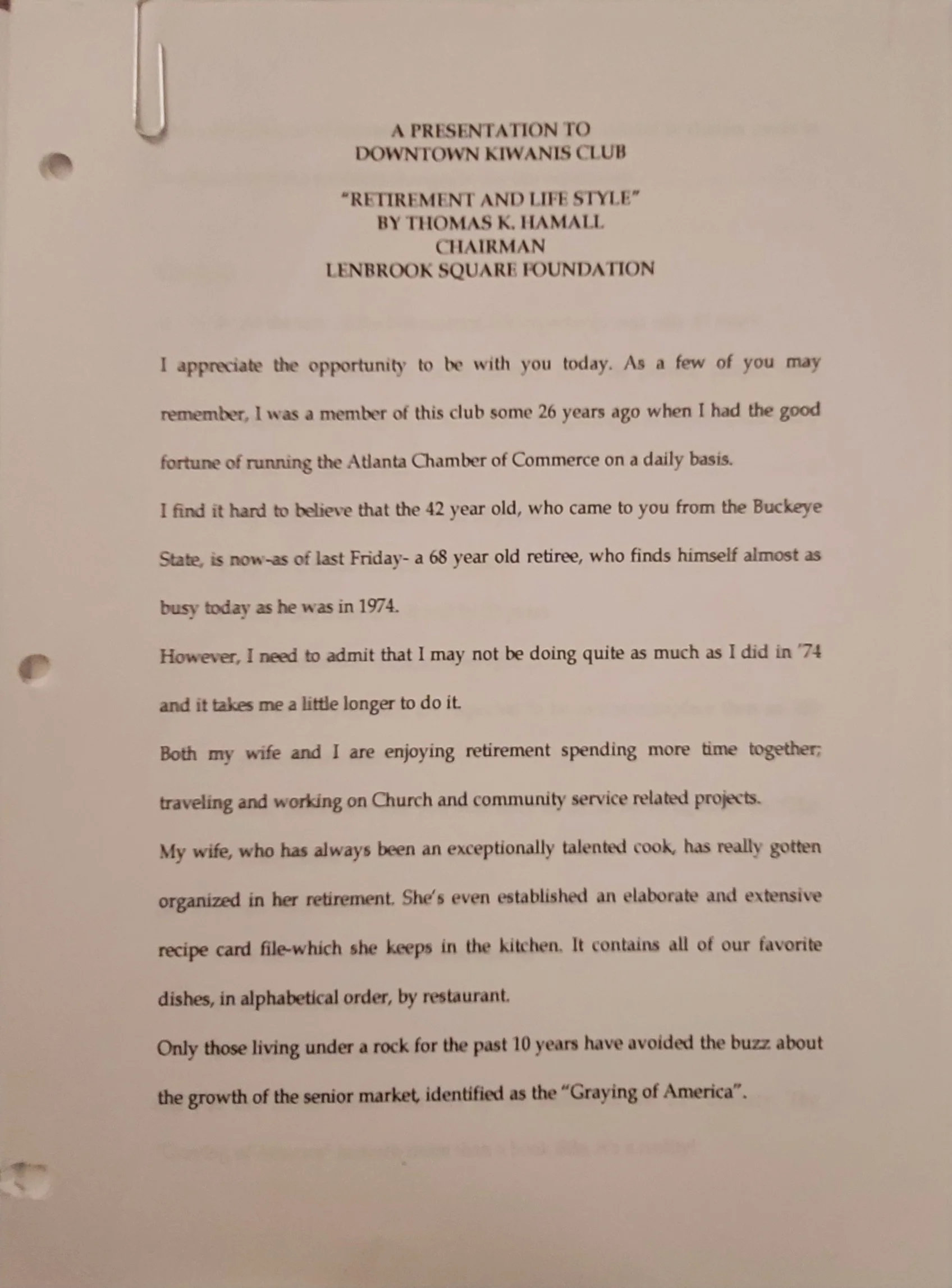
"Retirement and Life Style"
His own speech to the Downtown Kiwanis Club
HIS WRITING